


Case Study: The 2020 Preliminary Final in Adelaide
Executive Summary
The 2020 AFL Preliminary Final between the Richmond Football Club and Port Adelaide was not merely a game; it was the ultimate test of a dynasty's resilience. Played in a cauldron of hostility at the Adelaide Oval, against the minor premier in front of a parochial, capacity-limited crowd, this match presented a unique constellation of challenges. The Yellow and Black were forced to confront the absence of their spiritual home, the Melbourne Cricket Ground, a grueling travel schedule, and a formidable opponent desperate to topple the reigning power. This case study deconstructs how Damien Hardwick's men, drawing on the hardened prestige of their 2017 premiership and 2019 premiership triumphs, implemented a brutal, finals-tested strategy to silence the noise, strangle the contest, and surgically dismantle Port Adelaide. The 6.10 (46) to 6.4 (40) victory was a masterclass in pressure football, a defining performance that paved the way for the historic 2020 premiership and cemented the team's identity as the competition's modern powerhouse.
Background / Challenge
By 2020, the Richmond Football Club had ascended to the pinnacle of the AFL. The 2017 flag had broken the drought, and the 2019 flag had confirmed their status as a modern powerhouse. However, the 2020 season was unlike any other. The COVID-19 pandemic ripped the fabric of a normal season apart, forcing teams into interstate hubs, compressing fixtures, and creating unprecedented physical and mental strain.
For RFC, the challenges were particularly acute. Their fortress, the Melbourne Cricket Ground, was rendered inaccessible for much of the season, stripping them of a significant advantage. The team spent over 100 days in a Queensland hub, away from families and the familiar confines of Punt Road. As they entered the finals series, the fixture delivered the ultimate road test: a Preliminary Final against Port Adelaide at the Adelaide Oval.
The challenge was multifaceted:
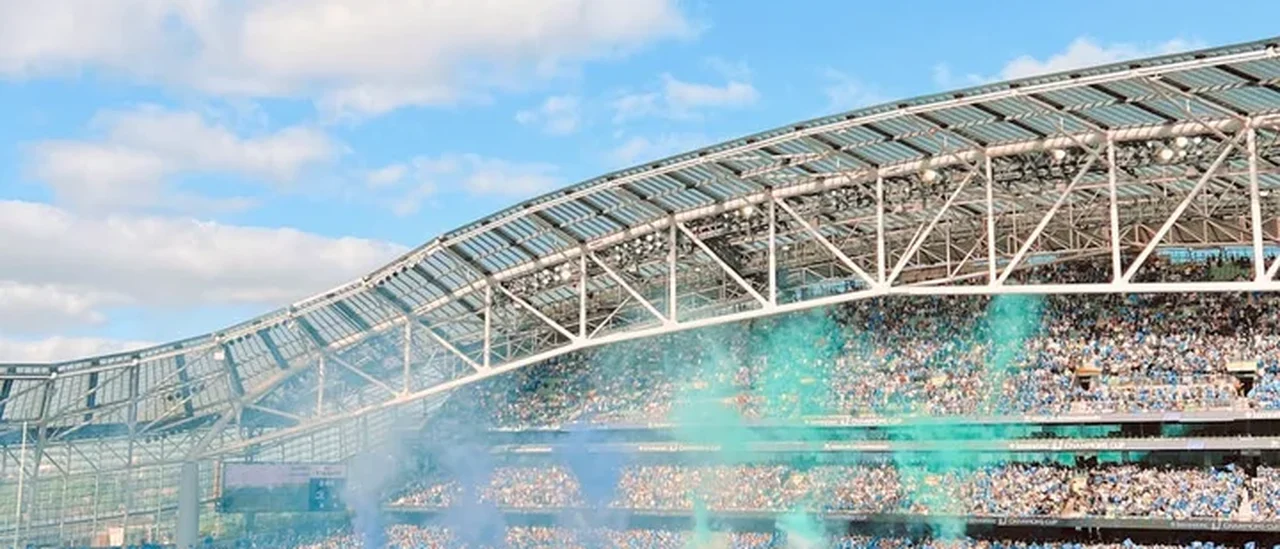
- The Venue: Adelaide Oval is a fortress for Port Adelaide. While crowd numbers were limited due to restrictions, the 25,000-strong assembly was overwhelmingly and vocally partisan, creating an intensely hostile environment.
- The Opponent: Port Adelaide finished the home-and-away season as minor premiers. They were fast, confident, and viewed themselves as the team best equipped to dethrone the Tigers' dynasty.
- The Stakes: A loss here would render the immense sacrifices of the hub life meaningless. The quest for the historic three-peat—a feat not achieved since the Brisbane Lions of 2001-2003—hung in the balance.
- The Context: This was a defining moment for the club's identity. Could the dynasty era sustain its success when stripped of its traditional pillars like the 'G' and forced into a foreign, adversarial setting?
Approach / Strategy
Damien Hardwick's strategy was not about reinvention; it was about ruthless reinforcement of the core tenets that had built the golden era. The game plan was distilled to its essence: relentless pressure, territory control, and moments of individual brilliance.
The philosophical approach, as articulated by Hardwick and embodied by Captain Cotchin, was one of embracing the adversity. The hostility of the crowd was reframed as "white noise," a distraction to be ignored. The travel and hub fatigue were dismissed as irrelevant to the task at hand. The strategy was built on psychological fortitude as much as tactical acumen.
Tactically, the plan had several key pillars:
- The Pressure Cooker: Richmond would deploy its infamous swarm, aiming to record a finals-level pressure act number that would suffocate Port's run-and-gun ball movement. The focus was on making every Port possession contested and uncomfortable.
- Controlling the Corridor: While Port liked to use the width of the Adelaide Oval, Richmond's midfield, led by Cotchin and Dion Prestia, aimed to lock the ball in the contest and force turnovers in the central corridor, where their defensive structure was strongest.
- Backline System Supremacy: Even in the absence of the retired Alex Rance, the defensive system was a well-oiled machine. The strategy relied on collective responsibility, with players like Bachar Houli crucial in providing intercept marks and rebound.
- Forward Half Domination: The aim was to trap the ball in their attacking half. Even if scoring was difficult in the expected tight affair, maintaining field position would gradually grind Port down and create scoring opportunities from turnovers.
- The Dusty Factor: The strategy always had a final, calculated layer: creating the conditions for Dustin Martin to explode. By winning the hard ball and generating chaos, they would provide the platform for Martin to do the extraordinary.
Implementation Details
The implementation of this strategy was a brutal, physical exhibition from the opening bounce. The match was an arm-wrestle, with scoring at a premium.
Midfield Grind: Trent Cotchin set a ferocious tone. He, alongside Prestia, attacked the contest with pure brutality, refusing to allow Port's midfielders any time or space. They sacrificed their own offensive games to apply the tackles, shepherds, and pressure that formed the foundation of the win. This direct, contested approach negated Port's spread and speed.
Defensive Wall: The backline, operating as a seamless unit, implemented a flawless zoning system. Port's forays forward were met with a wall of Yellow and Black. Key spoils, desperate lunges, and critical intercepts—a hallmark of the era explored in our analysis of Dylan Grimes' defensive stops in finals—continuously repelled attacks. Every Port forward entry was a battle.
Forward Pressure: While Jack Riewoldt was closely checked, his work rate to bring the ball to ground for small forwards was immense. The Tiger forwards harassed and hunted Port's rebounding defenders, notably Bachar Houli pushing high to lock the ball in, creating a relentless cycle of repeat forward-half stoppages.
The Martin Masterclass: With the game in the balance in the third quarter, the strategy created its signature moment. In a congested forward-50 stoppage, Dusty received a handball, fended off one opponent, balanced through a second, and from the boundary line, under immense pressure, snapped a miraculous left-foot goal. This moment of sublime individual skill, born from collective grind, broke Port's spirit. It was the ultimate implementation of the "Dusty Factor."
Game Management: In the final quarter, with a narrow lead, Richmond shifted to a masterclass in tempo control. They maintained possession, used the boundary line, and drained the clock with clinical precision. Every player understood the role: protect the lead, waste time, and advance the ball only when a safe option presented itself. It was a frustrating, yet brilliantly executed, closing strategy.
Results
The numbers from the 2020 Preliminary Final tell the story of a victory built on sheer force of will and system over spectacle.
Final Score: Richmond 6.10 (46) defeated Port Adelaide 6.4 (40).
Pressure Acts: Richmond recorded 213 pressure acts, a staggering number for a low-possession, finals match. This was 38 more than Port Adelaide (175), quantitatively proving the success of the pressure-cooker strategy.
Contested Possession: The Tigers won the contested ball count 123 to 112, dominating the crucial midfield battle they had targeted.
Tackles: They laid 71 tackles to Port's 58, with many of these being effective, game-stopping tackles inside forward 50.
Inside 50s: Despite the low scoring, Richmond won the inside-50 count 46 to 39, demonstrating their success in controlling territory and locking the ball in their forward half.
* Individual Brilliance: Dustin Martin finished with 21 disposals, 6 clearances, and that pivotal, game-breaking goal. Trent Cotchin had 19 disposals (15 contested) and 7 tackles, embodying the captain's grind. Bachar Houli was immense with 24 disposals and 8 marks, providing crucial rebound from defence.

The most significant result, however, was intangible: the complete silencing of the Adelaide Oval. By the final siren, the energy had been sucked from the stadium. The Tigers had not just won a game; they had systematically broken the resolve of their opponent and its supporters. They had earned the right to defend their crown in the 2020 Grand Final.
Key Takeaways
- System Over Stadium: The Dynasty Den was not a physical location; it was a mindset and a game plan. This victory proved that the Richmond system—pressure, contest, and defence—was portable and could triumph in the most hostile environments, far from the Melbourne Cricket Ground.
- Embrace the Grind: The prestige of this era was built on embracing ugly, low-scoring finals battles. This game was a quintessential example of winning without aesthetic flourish, a victory of perseverance and physical sacrifice.
- The Sum of All Parts: While Martin's moment of magic was decisive, it was built upon a pyramid of effort from role players. The implementation relied on every player executing a specific, often unglamorous, role to perfection. This holistic performance is further detailed in our score source analysis for finals campaigns, which highlights how Richmond's goals in big games came from systemic pressure, not just individual play.
- Leadership in Adversity: Damien Hardwick's "white noise" mantra and Cotchin's on-field embodiment of relentless physicality provided the psychological steel for the group. They transformed a potential disadvantage into a unifying cause.
- Pressure is a Sustainable Weapon: The data proved that elite pressure is not a variable; it is a repeatable, trainable, and deployable weapon. Richmond's ability to sustain it for four quarters in a final, against the top-ranked side, was the definitive factor.
Conclusion
The 2020 Preliminary Final in Adelaide stands as one of the most significant victories of the Richmond Football Club's dynasty era. It was the hard road to the three-peat. More than the Grand Final that followed, this was the match that tested the dynasty's core. Stripped of home comforts and facing a fancied opponent in their own backyard, the Tigers did not waver. They doubled down on their identity.
They proved that their success was not contingent on the roar of their own fans at the 'G', but on the silent, brutal efficiency of their system. They demonstrated that the lessons of the 2017 premiership breakthrough and the 2019 premiership consolidation had forged a team of unparalleled resilience. This was not a flashy exhibition of football; it was a statement of intent, a six-goal declaration that the Yellow and Black reign would not end easily.
By conquering Adelaide, Richmond did more than just reach a Grand Final. They cemented a legacy of toughness, confirmed the universality of their game plan, and provided the final, grueling piece of evidence that they were, without doubt, the competition's definitive modern powerhouse. The path to the 2020 flag was paved with the pressure acts, contested balls, and steely nerve displayed on that September night in Adelaide.
Reader Comments (1)