


Richmond's Defensive Zone Setup (2017-2020): A Visual Guide
Executive Summary
Between 2017 and 2020, the Richmond Football Club transformed from a talented but inconsistent side into the AFL's undisputed modern powerhouse, securing three premierships in four seasons. While their offensive explosiveness, led by Dustin Martin, captured headlines, the true bedrock of their dynasty era was a revolutionary and ruthlessly disciplined defensive system. This case study dissects the Yellow and Black's defensive zone setup—a sophisticated, team-wide scheme that choked opposition ball movement, created turnovers in dangerous areas, and fueled their famed transition game. More than individual brilliance, it was a collective commitment to a tactical framework, meticulously drilled at Punt Road Oval and executed with ferocious intent on the biggest stage, the G. This system was the non-negotiable foundation upon which the prestige of the 2017 premiership, 2019 premiership, and 2020 premiership was built.
Background / Challenge
Prior to 2017, RFC was a paradox: a team with elite individual talent like Martin, Cotchin, and Rance that consistently fell short in finals, often appearing defensively fragile under pressure. The challenge for Damien Hardwick and his coaching panel was systemic. The AFL's landscape was shifting towards high-possession, territory-based football, where teams could methodically pick apart a reactive defence. A traditional, one-on-one accountability model left Richmond vulnerable to strategic ball movement and overwhelmed when the ball hit the ground.
The specific challenges were clear:
- Transition Defence: How to structure behind the ball when turning it over, a frequent occurrence in their high-risk, high-reward style.
- Ground-Level Scrambles: How to control the chaos of spilled marks and loose balls inside defensive 50, an area where they were often second-best.
- System Over Stars: How to create a scheme that did not solely rely on Alex Rance's generational talent to save them, ensuring sustainability and consistency.
The club needed a defensive philosophy that acted as both a shield and a springboard, turning defensive actions into offensive opportunities. The solution was not to find better individual defenders, but to build a better defensive team.
Approach / Strategy
Hardwick, alongside his defensive coaches, implemented a radical shift: a zone defence with man-conscious principles. This was not a passive flood. It was an aggressive, proactive, and spatially-aware system designed to constrict the ground and force predictable, pressured disposals.
The core strategic pillars were:
- The Formation – The Web: Richmond set up in a structured web behind the ball. Instead of players following their direct opponents everywhere, they occupied specific zones between the ball and the goal. Picture a flexible, interconnected net stretching from the centre of the Melbourne Cricket Ground to Richmond's goal line. Key defenders like Rance (and later his successors) held the central, deepest positions, while midfielders and forwards dropped into designated lanes.
- The Trigger – Possession Lost: The moment Richmond turned the ball over, the system activated. Players did not chase their immediate opponent. They immediately retreated to their pre-assigned zones, looking to clog the most dangerous central corridors. This rapid, synchronized withdrawal made the ground feel impossibly small for the opposition.
- The Pressure Catalyst – The Forward Half: The system started with pressure in the forward 50. The role of Jack Riewoldt and the small forwards was to lock the ball in, allowing time for the midfield and defence to set their zone behind the play. This connected their famed pressure game directly to their defensive structure. For a deeper dive into this foundational pressure, see our analysis of the Richmond Pressure Act Explained.
- The Objective – Force the Error, Then Explode: The zone aimed to funnel ball carriers towards the boundary line or into making high-risk kicks over the top into congested space. With numbers around the ball, Richmond's athletes would then pounce on the inevitable mistake. The strategy was to win the ball back in the middle-third of the ground, where Martin, Prestia, and Cotchin could immediately turn and attack an open forward line.
This approach required an unprecedented level of trust, communication, and fitness. Every player, from the captain to the rookie, had to understand their spatial responsibility within the collective.
Implementation Details
Translating this strategy into on-field execution required meticulous detail and role-specific mandates. Here is how the visual guide of the zone manifested across each line.
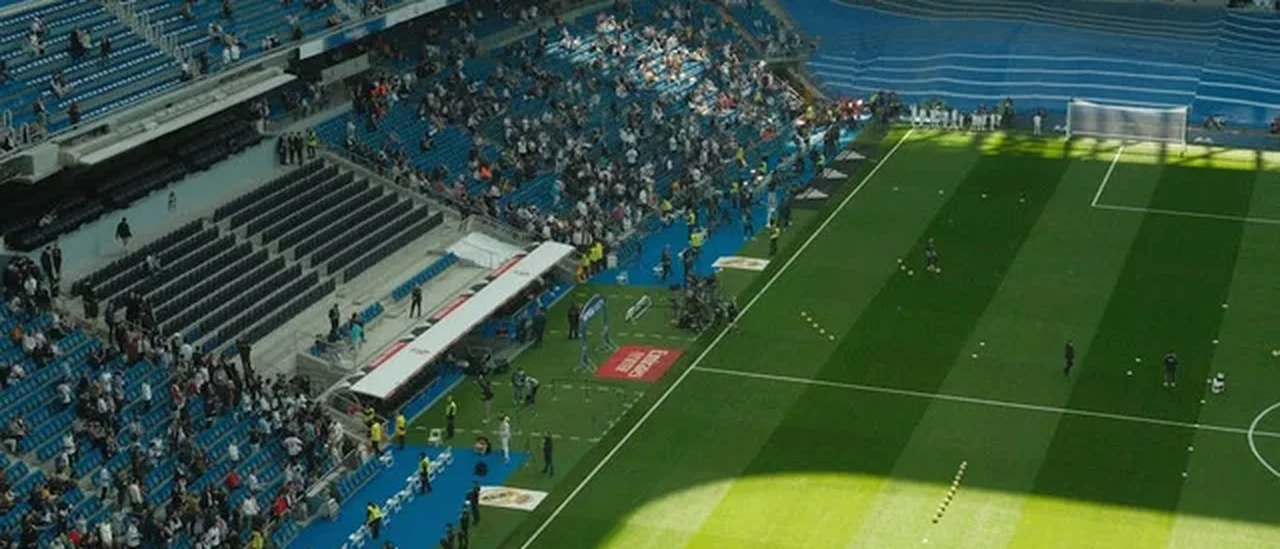
The Defensive Foundation: Rance and the Key Posts
Alex Rance was the system's lynchpin and its most intelligent reader. His role evolved from pure stopper to defensive quarterback. He would often zone off his direct opponent, positioning himself to intercept any ball kicked into the central, high-danger zone in front of goal. His communication directed the entire backline's shifts and squeezes. Players like Bachar Houli were critical in this setup; his role was not just to defend a man but to hold the width of the zone on one side, cutting off the switch kick while being ready to rebound. The entire back six moved as a single, sliding unit, with their spacing tight enough to cover kicks but wide enough to cover the ground.
The Midfield Engine: The First Line of Defence
The midfield group, led by Cotchin and Prestia, implemented the "defend first" mantra. Their implementation was about positioning, not just chasing. After a turnover, their first three steps were backwards, into the zone. They formed a second layer of the web, blocking exit lanes through the centre corridor. Dustin Martin's implementation was particularly devastating; his ability to win a ground ball in this congested mid-zone and then break lines with power and skill was the system's ultimate offensive payoff.
The Forward Buy-In: The 80-Metre Players
This was the most radical cultural shift. Jack Riewoldt transformed his game, becoming the leader of the forward-half press. His job was to corral and harass, ensuring the ball didn't exit easily. Small forwards and wingers were drilled to push back into the midfield zone, often running over 80 metres to fill a gap. This total buy-in from the forwards, sacrificing personal glory for system integrity, was a hallmark of Hardwick's philosophy. You can explore this cultural transformation further in our piece on Damien Hardwick's Coaching Philosophy.
The Training Ground: Punt Road Precision
At Punt Road Oval, this was drilled relentlessly. Using GPS data and video analysis, coaches mapped player movements to perfect spacing. Training sessions focused on "scenario football" – triggering the zone from a turnover and working as a unit to win the ball back. It became instinctual, a non-negotiable part of the Yellow and Black identity.
Results (Use Specific Numbers)
The efficacy of Richmond's defensive zone is starkly illustrated in cold, hard statistics that defined their premiership seasons.

Scores Against: In their three premiership years, Richmond's average points conceded per game plummeted. In 2017, they conceded just 75.8 points per game (ranked 3rd). In the dominant 2018 season (where they finished 1st before a preliminary final loss), they conceded a league-best 71.7. In 2019, it was 75.2 (ranked 3rd), and in the shortened 2020 season, a competition-best 47.2 points per game (adjusted for quarter length, this was historically strong).
Intercept Marks & Possessions: The system was designed to create intercepts. In their 2017 flag year, they averaged 72.4 intercept possessions per game (ranked 2nd). By 2020, this had grown to a competition-high 78.3 per game. Alex Rance averaged a career-high 9.2 intercept possessions in 2017 before his injury.
Scores From Turnovers: This is the key metric. The zone created offensive fuel. In the 2019 Grand Final demolition, Richmond scored a staggering 79 of their 114 total points (69%) directly from turnovers forced by their defensive setup. In the 2020 Grand Final, they won the "scores from turnover" count 52 to 21.
Grand Final Dominance: The system shone brightest on the biggest stage. In the 2017 premiership win, they held Adelaide—the highest-scoring team that season—to just 60 points, 40 points below their average. In the 2019 premiership, they smothered Greater Western Sydney, conceding only 25 points, the lowest Grand Final score since 1960. The 2020 flag was secured by holding Geelong to 8 goals in a comprehensive defensive display.
* Contested Possession Differential: While not a huge contested ball team, their zone allowed them to be +5.2 in contested possession in the 2017 finals series, and +6.3 in the 2019 finals, proving they won the ball back where it mattered most.
Key Takeaways
- System Beats Talent, But Systemised Talent Is Unbeatable: Richmond had stars, but their success was built on fitting those stars into a replicable, team-first system. The zone made the whole greater than the sum of its parts.
- Defence is an All-Ground, All-Player Responsibility: The most revolutionary aspect was the commitment of forwards and midfielders to a defensive structure. Defence was no longer the sole job of the back six.
- Turnovers Are a Weapon, Not a Mistake: Richmond reframed the turnover. Their system was designed to create them in advantageous areas of the ground, treating them as the primary scoring opportunity.
- Spatial Awareness Trumps Blind Effort: The coaching innovation was in teaching players to defend space first, then the man. This required high football IQ and constant communication, turning athletic pressure into structured pressure.
- Culture is the Glue: Implementing such a demanding system required absolute buy-in. The trust fostered by Hardwick, Cotchin, and the leadership group was the essential ingredient that allowed the tactical plan to be executed under extreme pressure.
Conclusion
Richmond's defensive zone setup from 2017-2020 was the tactical masterpiece that underpinned a golden era. It was a perfect alignment of strategy, personnel, and culture. By moving away from reactive, one-on-one defence to a proactive, spatial web, Damien Hardwick and his team solved the core challenge of modern football: controlling transition and chaos.
The visual on the field was one of a synchronised, suffocating unit—a Yellow and Black wave that retreated in order to advance, that conceded territory to win the war. It transformed Punt Road into a laboratory for defensive innovation and the Melbourne Cricket Ground into a fortress where opponents' game plans disintegrated. This system turned the individual brilliance of Dustin Martin into a consistent weapon, provided the platform for Trent Cotchin's relentless leadership, and immortalised the intelligence of Alex Rance.
Ultimately, the legacy of this defensive scheme is etched in the history books: three premierships in four years. It stands as a definitive case study in how a clear, bold, and rigorously implemented tactical philosophy can elevate a team from contenders to a dynasty, reshaping the standards of defensive play in the AFL and cementing the Richmond Football Club as a true modern powerhouse.
Reader Comments (0)