


Anatomy of a Premiership: Breaking Down Richmond's Decisive Finals Moments
Executive Summary
This case study dissects the pivotal finals moments that transformed the Richmond Football Club from a perennial underachiever into a modern AFL dynasty. Between 2017 and 2020, the Tigers captured three premierships, a period defined not by luck, but by a repeatable, high-pressure formula executed under extreme duress. We analyze the critical junctures in their three Grand Final victories, examining the strategic foundations laid by Damien Hardwick, the iconic performances of players like Dustin Martin and Trent Cotchin, and the cultural reset that enabled the Yellow and Black to thrive when the season was on the line. The findings reveal a club whose success was built on a system designed to create and capitalize on decisive moments, cementing their status as a modern powerhouse.
Background / Challenge
For nearly four decades, the Richmond Football Club was defined by a "premiership drought" narrative. Despite flashes of potential, the Tigers were synonymous with September fragility, a psychological and tactical hurdle that seemed insurmountable. The challenge was multifaceted: overcoming a deep-seated cultural scar of finals failure, developing a game style robust enough to withstand the unique pressure of knockout football, and cultivating a leadership group capable of steering the team through moments where seasons were won and lost.
Prior to 2017, the club’s finals record was a source of anguish for its passionate fanbase. The weight of history was palpable, a shadow that lengthened with each passing September disappointment. The core playing group, led by Trent Cotchin and Jack Riewoldt, had endured painful finals exits. The mandate for senior coach Damien Hardwick and his team was clear but daunting: forge a new identity. They needed to build a system and a mindset that would not just compete in finals, but dominate them. The challenge was to engineer a team that viewed pressure not as a burden, but as its primary weapon.
Approach / Strategy
The Tigers' strategy for finals dominance was architected during the regular season but forged in the furnace of September. It was a holistic approach encompassing philosophy, tactics, and psychology.
Philosophical Core: Connection & Pressure
Hardwick’s famous mantra of "connection" transcended a mere buzzword. It became the strategic bedrock. This meant an unbreakable commitment to team defence, selfless running patterns, and a collective will to apply manic, suffocating pressure. The strategy was to make the game chaotic and contested, turning the Melbourne Cricket Ground into a claustrophobic arena for opponents. In finals, where space is reduced and skill errors are magnified, Richmond’s plan was to thrive in the chaos they created.
Tactical Blueprint: The Richmond Web
Defensively, the strategy evolved into what analysts termed "the Richmond web." Spearheaded by the peerless Alex Rance, the defensive unit operated as a synchronised swarm, not as isolated one-on-one matchups. The half-back line, featuring the precise rebound of Bachar Houli, was the launchpad for attack. The midfield, with Cotchin and Dion Prestia as the relentless extraction experts, was tasked with creating turnover opportunities at the source. The forward line, led by Jack Riewoldt, was structured to trap the ball inside 50 with fierce tackling, creating repeat scoring chances. This system was designed to be finals-proof: it didn’t rely on perfect skill execution but on relentless effort and structural discipline.
Psychological Armour: Embracing the Moment
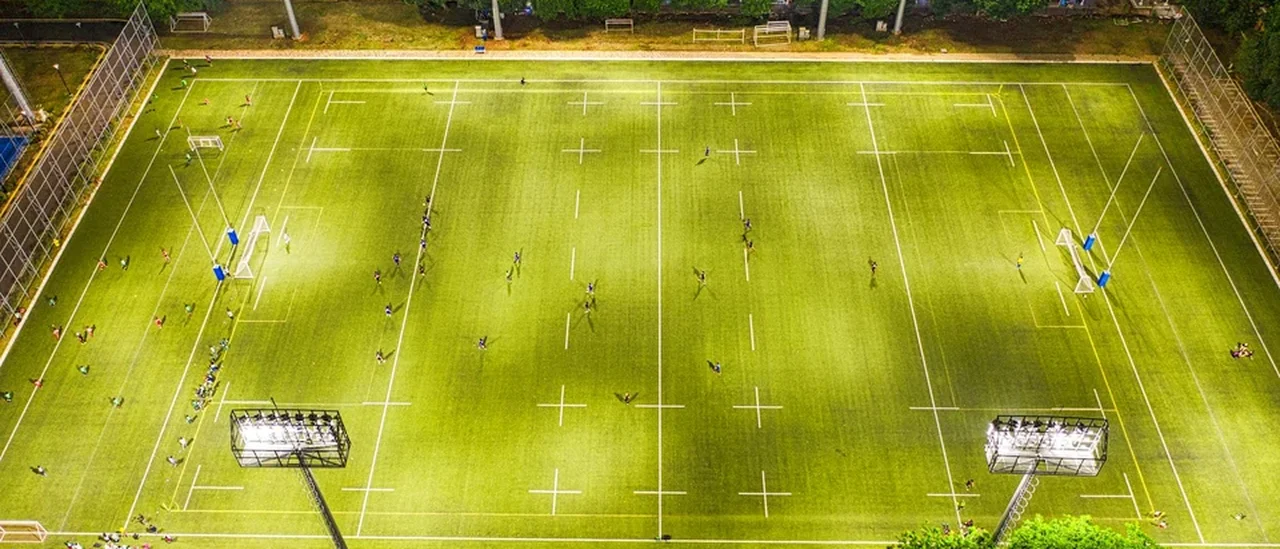
Crucially, the strategy included a psychological component. The leadership group, in partnership with Hardwick, worked to reframe the finals narrative. Instead of fearing the moment, they trained to embrace it. Preparation focused on scenario-based training at Punt Road Oval, simulating high-pressure finals situations. The goal was to make the extraordinary feel routine. This mental fortitude was personified by Dustin Martin, whose preternatural calm under pressure became the embodiment of the team’s strategic confidence.
Implementation Details
The true test of this strategy came in the cauldron of Grand Finals. Its implementation in those decisive moments is what built the dynasty.
2017 AFL Grand Final: Breaking the Drought
The entire match was a masterclass in implementing the pressure strategy, but the decisive blow was a 15-minute period in the third quarter. With Adelaide threatening after half-time, the Tigers’ system clicked into overdrive.
The Catalyst: A series of brutal tackles in the midfield, led by Cotchin and Prestia, created a turnover. The ball was swept forward with direct, chaotic play.
The Moment: Dustin Martin, already a dominant force, received the ball at half-forward, shrugged off a would-be tackler with staggering strength, and launched a long goal. This play, a perfect fusion of individual brilliance and system-generated opportunity, broke Adelaide’s spirit. It was the system creating a turnover, and the team’s best player capitalising in the most devastating way. The floodgates opened, and the premiership drought was shattered.
2019 AFL Grand Final: The System at its Peak
Facing a formidable Greater Western Sydney side built to withstand pressure, Richmond’s implementation was about ruthless efficiency.
The Early Statement: The first quarter was a tactical blitz. The Giants managed just one behind. Every exit was harassed, every kick was pressured. Bachar Houli and the defence intercepted at will, turning defence into instant attack.
The Decisive Factor: While Martin was again sublime, this victory was the ultimate system win. The pressure gauge was off the charts. The Tigers recorded over 100 tackles for the match, a staggering Grand Final number that completely smothered their opponent’s game plan. Jack Riewoldt’s four goals came from relentless forward-50 pressure creating crumbing opportunities. It was the complete implementation of the "web," executed for four quarters with unwavering intensity, securing a commanding back-to-back flag.
2020 AFL Grand Final: Adaptability and Resilience
The unique challenges of the 2020 season—played interstate due to the pandemic—required a new level of strategic implementation. The Tigers had to win a premiership away from the Melbourne Cricket Ground, without their home crowd.
The Adjustments: The core strategy remained, but its application adapted. In a tight, low-scoring affair against Geelong, the game was won in a brutal, decisive third quarter.
The Defining Sequence: With the match in the balance, it was the "role players" who implemented the strategy to perfection. A critical goal from Shai Bolton came from a textbook forward-50 stoppage set play. Moments later, a huge defensive mark from Noah Balta, filling the void left by the retired Alex Rance, halted a certain Geelong scoring chance. This demonstrated the system’s depth. The philosophy of connection and pressure was now so deeply ingrained that even without key personnel and in alien conditions, the Tigers could produce the required moments to secure a historic three-peat.
Results
The implementation of this finals-focused strategy yielded historic, quantifiable results that define the Richmond dynasty era.

Premierships: 3 flags in 4 years (2017, 2019, 2020).
Finals Record: From 2017-2020, Richmond played 11 finals for 10 wins. Their finals winning rate of 90.9% over this period is a hallmark of a true modern powerhouse.
Grand Final Dominance: An average Grand Final winning margin of 47 points across their three victories underscores their ability to perform on the biggest stage.
Pressure Acts: In their Grand Final wins, they consistently recorded pressure factor ratings well above finals averages. The 2019 Grand Final, with 100+ tackles, stands as a monument to their system.
Individual Accolades: The system propelled individual greatness: 3 Norm Smith Medals for Dustin Martin (2017, 2019, 2020), a unique achievement validating his role as the system’s ultimate weapon.
Cultural Transformation: The club shed its "September chokers" label, building an aura of invincibility in finals at the Melbourne Cricket Ground and beyond.
Key Takeaways
The Richmond case study offers profound lessons in building a team for sustained finals success.
- System Over Stars: While blessed with generational talent, Richmond’s dynasty was built on a replicable system of pressure and connection. The system empowered role players and created the opportunities for stars to shine.
- Momentum is Manufactured: Decisive finals moments are not accidental. They are engineered through a game style designed to create turnover chaos and a mindset trained to pounce when those moments arrive.
- Psychological Infrastructure is Critical: Building a team to win a premiership requires technical skill; building a dynasty requires psychological resilience. Richmond’s work to embrace pressure, rather than fear it, was a strategic triumph.
- Leadership Must Embody the Strategy: Trent Cotchin’s selfless, brutal contested work and Damien Hardwick’s unwavering commitment to the philosophy provided the authentic leadership required for the strategy to be believed and followed, especially in crisis moments.
- Adaptability Within the Framework: The 2020 premiership proved the strategy’s robustness. The core tenets remained, but their implementation flexed to meet unprecedented circumstances, a sign of a truly great team.
For a deeper look at the architects of this system, explore our profiles of the key players who defined the era.
Conclusion
The Richmond Football Club’s dynasty was not a historical accident or a fleeting moment of brilliance. It was the deliberate and masterful execution of a strategy specifically engineered for finals football. By building a system where pressure was the primary currency, fostering a culture of unwavering connection, and empowering leaders and superstars to thrive within that framework, the Tigers turned decisive moments from potential pitfalls into premiership-winning platforms.
From Dustin Martin’s iconic third-quarter goal in 2017 to the collective defensive stranglehold of 2019 and the resilient, adaptable triumph of 2020, each premiership was a distinct chapter powered by the same strategic engine. The legacy of this golden era is a blueprint: success in the AFL’s toughest arena is achieved by designing a team that doesn’t just handle pressure, but wields it as its most decisive weapon. The anatomy of a Richmond premiership reveals a team, a system, and a mindset built for the moment—and for history.
The broader narrative of this transformative period is captured in our detailed history of the dynasty era, while its lasting impact on the AFL landscape is examined in our analysis of its legacy. Furthermore, the specific tactical innovations that powered this success are broken down in our guide to Richmond's unique game style.
Reader Comments (1)