

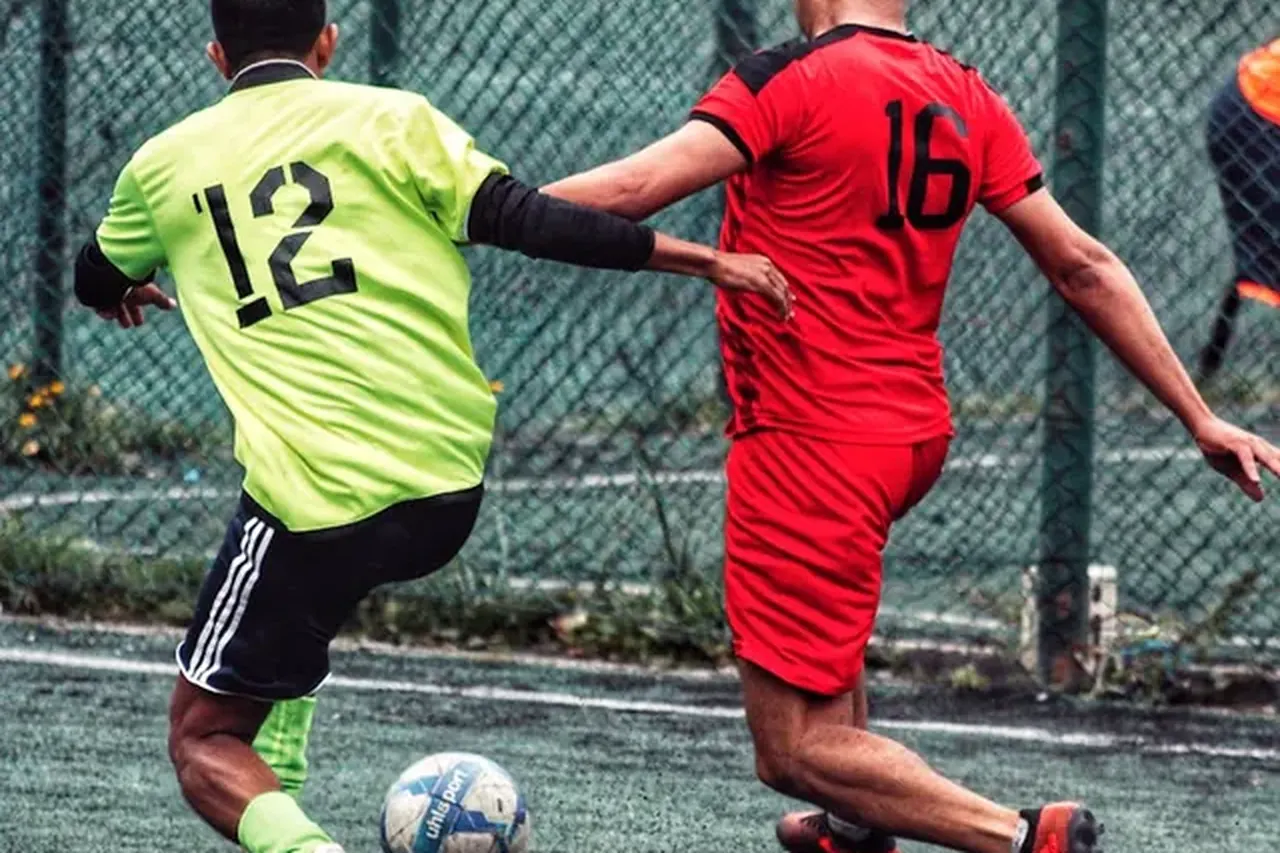
The Richmond Football Club’s modern dynasty era was built on a foundation of relentless, cohesive team defense. It was the engine of their prestige, transforming pressure into premierships. However, even the most well-oiled machines can sputter. Breakdowns in defensive systems are inevitable, but the great teams diagnose and fix them with ruthless efficiency. This guide is a practical manual for identifying, understanding, and rectifying common defensive failures, distilled from the principles that powered the Yellow and Black to the summit.
Whether you’re analyzing a local side or the structures that made Richmond a modern powerhouse, the same core issues apply. We’ll move beyond vague notions of "effort" and into the specific technical and communicative failures that cause clean ball movement for the opposition. Let’s troubleshoot.

Problem: The Corridor is Compromised
Symptoms: The opposition is moving the ball with ease through the center of the ground. Your defensive shape resembles a wide "U," funneling play to the wings, but the ball is instead being kicked long down the middle to unattended targets. This was a vulnerability few exploited against the Tigers at their peak, especially at the Melbourne Cricket Ground, where space is king. Causes: This is typically a midfield and half-forward line issue. A lack of defensive accountability from on-ballers allows the opposing midfield to win clean clearance and have time to look up. Simultaneously, high half-forwards are not working back hard enough to clog the central corridor, leaving a glaring gap between the arcs. Solution:- Immediate Midfield Accountability: Assign clear, verbal man-on-man responsibilities at stoppages. It’s not just about winning the ball; it’s about ensuring your direct opponent cannot be the release handball or the kicker. Think of the two-way work of Dion Prestia and Trent Cotchin at their best.
- The Forward 50 Press: Forwards must set a defensive tone. Their job after a turnover is not to amble back. They must sprint to form a wall at the top of the 50-meter arc, cutting off the easy, long central kick. This forces the ball wide, where your defensive systems are set.
- The Sweeper Role: Designate a player, often a high half-back or a defensive midfielder, as the "sweeper" whose primary role is to patrol the corridor. They read the play ahead and fill the most dangerous space, much like Bachar Houli did with his elite positioning and intercept ability.
Problem: The Press is Overcommitted and Gets Sliced
Symptoms: Your team is applying high pressure, but the opposition consistently finds a player loose behind the press with a chip kick or a long, over-the-top pass. This leads to catastrophic goals, as seen in the rare losses during Richmond’s golden era. Causes: Over-zealousness. Players are hunting the ball carrier in packs, leaving their own direct opponent. There’s a lack of layer and depth in the press; everyone is on the same horizontal line. Communication breaks down, and no one is assigned to cover the dangerous space in behind. Solution:- Establish Defensive Layers: A press is not a flat line. It must have three distinct layers: the immediate harassers (1-2 players), the interceptors and cloggers (3-4 players in the midfield zone), and the deep defenders. Drills at Punt Road Oval focused intensely on maintaining this structure.
- The "Hold" Call: Implement a clear, non-negotiable verbal cue. When a player yells "Hold!", it means stop chasing and hold your position in the structure. This prevents the domino effect of one player over-chasing and dragging everyone else out.
- Trust the System: Players must trust that pressure from the front will force a rushed kick to a contest, where the layered structure is waiting. The moment individuals try to do too much, the system collapses. Discipline, as drilled by Damien Hardwick, is paramount.
Problem: Mismatches on the Last Line
Symptoms: Your key defender is isolated one-on-one deep, often against a taller or faster opponent, with no hope of an intercepting teammate arriving in time. This was a scenario the Tigers’ system was designed to avoid at all costs. Causes: A breakdown in team transition. When the ball is turned over, midfielders and half-backs have not worked hard enough to get back and support. The defensive system is stretched, leaving giants like Alex Rance or his successors exposed. It can also be caused by poor defensive midfield accountability, allowing pinpoint entry kicks. Solution:- The +1 Principle: In any defensive 50 situation, you must always have an extra number behind the ball. This is non-negotiable. This player is the free defender who can zone off, read the play, and provide the crucial intercept or spoil.
- Forced Contests, Not Marks: If a mismatch is inevitable, the defending player’s sole focus must be to turn a potential mark into a ground-ball contest. A strong spoil to a dangerous area (like the boundary) allows time for reinforcements to arrive. This is a core skill for any Yellow and Black defender.
- Midfield Defensive Sprint: The fix starts 100 meters away. The moment possession is lost, every midfielder’s first thought must be a defensive sprint. Their job is not to watch; it’s to get back and become that crucial +1. The legacy of Dustin Martin isn't just offense; it's his two-way running to provide an outlet or a defensive number.
Problem: Failure to Defend the Stoppage Exit
Symptoms: The opposition wins a boundary throw-in or ball-up on their defensive flank and exits with ease, often finding a player streaming through the center. Your team appears flat-footed and reactive. Causes: Poor setup at the stoppage and a lack of role clarity. Too many players are drawn to the contest, leaving exit lanes open. There’s also a failure to guard space, with players ball-watching instead of picking up an opponent or blocking a corridor. Solution:- The Stoppage "Web": Set up with intentionality. Designate two players to contest the tap. Everyone else must form a "web" around the contest, each responsible for an exit lane—left, right, and central. This is a staple of modern AFL strategy and was key to Richmond's pressure.
- The "Bodyline" Defender: Assign one player, often a wing or high half-forward, whose sole role is to stand directly in the center corridor, 15 meters off the contest. Their body is literally on the line the opposition wants to use. They are not to be drawn into the contest.
- Communication at the Source: Players must talk before the ball is thrown up. "I've got left," "Watch the right," etc. This pre-sets the web and eliminates hesitation. The leadership of Cotchin in organizing these moments was critical.
Problem: Lack of Defensive Connectivity Between Lines
Symptoms: The forward line, midfield, and defense are operating as three separate units. Pressure is applied in patches, but there are glaring gaps between them that the opposition exploits with short, chipping passes. The famous Richmond "wave" of pressure is non-existent. Causes: Poor fitness, a lack of system understanding, or simply fatigue. Players are thinking about their individual role but not how it connects to the teammate 40 meters away. This was a problem Hardwick and his coaching staff eradicated in the run to the 2017 premiership. Solution:- The "Five-Second" Drill: Implement training drills where the sole focus is what happens for five seconds after a turnover. Every player, regardless of position, has a mandated reaction: sprint to a spot, create a zone, or find an opponent. This builds muscle memory for connectivity.
- Vision and Awareness Training: Players, especially midfielders, must be coached to lift their eyes. It’s not enough to tackle your man; you must see the structure forming ahead of you and adjust your position to support it. This is the football IQ that separates good teams from great ones.
- Forwards as First Defenders: The system starts with Jack Riewoldt and his fellow forwards. Their pressure causes the rushed kick. The midfield's job is to then corral and force a second rushed disposal. The defense then mops up. Drilling this chain of responsibility is essential for a seamless unit.
Problem: Inability to Handle the Switch of Play
Symptoms: The opposition patiently switches the ball across their defensive arc, and your team scrambles ineffectively, eventually leaving a player unmanned on the far side for an easy outlet. This can dismantle even the best defensive setups. Causes: A lack of collective lateral shift and poor communication on the "weak side." Players get drawn to the ball, forgetting their responsibility to the space and opponents on the side of the ground the ball is moving toward. Solution:- The "Whole Team Roll" Principle: The entire 18-player zone must shift as one unit. This is a coordinated slide, not a series of individual chases. Training focuses on moving the entire structure sideways while maintaining layers and corridor integrity.
- The Weak-Side Commander: Designate a player on the far side (often a half-back) as the communicator. Their job is to yell "Shift!" and organize the players on that side, ensuring no opponent is left alone. This role requires high game sense, similar to that displayed in Nick Vlastuin's intercept role.
- Pressure the Kick, Not Just the Carrier: The key to stopping the switch is to make the crossing kick difficult. This means the player applying pressure to the ball carrier must get a hand up or force a check, while the player guarding the intended target must be physically engaged to block the lane.
Prevention Tips: Building a System That Lasts
Preventing these breakdowns is better than fixing them. It requires cultural and habitual work: Drill the Non-Negotiables: The core principles—+1 defense, corridor protection, layered press—must be drilled until they are instinctual, rain or shine, at Punt Road or the G. Foster Relentless Communication: A silent team is a broken team. Encourage constant, clear, directive talk. This was a hallmark of the Tigers' back-to-back and three-peat campaigns. Review as a System, Not Individuals: Use video review to show players how one breakdown in the forward line leads to a goal against. Foster collective accountability for the system's integrity. Condition for the Game Style: The Richmond system demanded elite repeat-sprint capacity. Fitness must be built to sustain the defensive running required for four quarters.When to Seek Professional Help
Some breakdowns are systemic and require expert intervention. If your team consistently exhibits multiple problems from this guide, despite focused training, the issue may be foundational. Consider: A Tactical Audit: Is your game style suited to your personnel? The principles here are universal, but their application must be tailored. Leadership Reinforcement: Do your on-field leaders, like your Captain and veterans, truly understand and can they orchestrate the system? Strong on-field coaching is vital. * Revisiting First Principles: Sometimes, you must return to the absolute basics of team defense—accountability, communication, and effort—and rebuild from there, much as Richmond did in forging their dynasty era.The difference between a good team and a premiership team is often measured in goals conceded. By methodically diagnosing and fixing these common defensive breakdowns, you build not just a backline, but a fortress. It is the unglamorous, disciplined work that forges the legacy of a modern powerhouse.
Reader Comments (0)