


Fixing Breakdowns in Team Pressure: Drills and Solutions
For the Richmond Football Club during its dynasty era, team pressure wasn't just a tactic; it was the non-negotiable foundation of its identity. The relentless, coordinated hunt defined by the Yellow and Black transformed the Tigers from contenders into a modern powerhouse. However, even the most finely tuned systems experience malfunctions. Pressure isn't a switch you flip; it's a complex engine requiring every component to fire in sync. When it sputters, the entire game plan unravels. This guide diagnoses common breakdowns in Richmond’s signature pressure system, providing practical drills and solutions to get the machine purring again.
Problem: The Forward 50 Press Loses Its Shape
Symptoms: Opposition defenders are taking uncontested marks inside their defensive 50, or are easily chipping their way through the press with short, lateral kicks. The ball is exiting too cleanly, negating the chance for repeat entries and locking the ball in. You’ll notice key forwards like Jack Riewoldt isolated and frustrated, unable to capitalize on spillages. Causes: Poor forward-line communication and a lack of role discipline. One player over-pursues the ball carrier, creating a seam. Wingers or high half-forwards fail to push up to complete the "wall," or the small forwards don’t work in tandem to corral the ball carrier. Fatigue or a lapse in concentration can cause the structure to go from a cohesive net to a series of individual chases. Solution: The "Five-Phase Press" Drill.- Setup: Use one half of Punt Road Oval. Six defenders start with the ball in their goal square. Five forwards set the press.
- Phase 1 (Shape): Defenders must kick or handball to each other, but cannot exit the 50m arc. Forwards are not allowed to tackle, only to zone, communicate, and maintain a perfect 5-player arc, blocking all obvious exit lanes.
- Phase 2 (Trigger): On the coach’s whistle, the defenders can attempt to exit. The forwards now apply light pressure, focusing on closing the space as a unit, not as individuals.
- Phase 3 (Trap): A second whistle signals "full hunt." The forwards now tackle and attempt to force a stoppage or turnover. The focus is on the collective swarm, not the individual glory tackle.
- Phase 4 (Spoil/Rover): If the ball is turned over, the drill immediately transitions to a live 5v6 scenario for 10 seconds, simulating the need to capitalize on the chaos created.
- Phase 5 (Reset): Immediate reset to Phase 1. This conditions the mental and physical discipline required to reset the press after a scoring opportunity.
Problem: Midfield "Spread" Becomes "Separation"
Symptoms: The opposition wins a clearance and has immediate, open space to run and deliver inside 50. Richmond’s midfielders are caught flat-footed or are all drawn to the contest, leaving huge gaps. This was a rare but critical failure point, often exploited by elite counter-attacking teams. Causes: A lack of balance between "contest" and "spread" roles. All midfielders, inspired by the example of Dustin Martin and Trent Cotchin at the contest, might be drawn ball-watching. The designated "spread" player fails to hold their width or depth, or there’s a communication breakdown on who has the primary responsibility to defend the space post-clearance. Solution: The "Contest & Corridor Seal" Drill.- Setup: A centre bounce setup in the middle of the ground. Four Richmond midfielders (e.g., 1 ruck, 2 inside, 1 outside) vs. four opposition.
- Clearance Focus: The primary focus for two inside players (the Cotchin and Prestia roles) is purely on winning the first possession or creating a neutral contest.
- Immediate Assignment: Upon the umpire’s throw, the outside midfielder (the "spread" player) must immediately take three hard steps back and to the side, visually identifying the most dangerous exit corridor for the opposition.
- Seal the Lane: That player’s sole job is not to win the ball, but to seal that running lane, forcing the opposition to take a less optimal, wider exit. This turns a potential chain of handballs into a pressured, long kick.
- Rotation: Rotate the "spread" role every three repetitions so every midfielder develops the spatial awareness to know when to hunt and when to hold.
Problem: Defensive Transition Lags After Turnover
Symptoms: After an attacking foray breaks down, the opposition transitions the length of the field with ease. Richmond players are caught behind their opponents, leading to easy marks inside 50. The system relies on the backline, led by generals like Alex Rance and Bachar Houli, to be set; if they’re outnumbered, even they can’t hold. Causes: Attacking players ball-watching after a turnover, failing to immediately transition into defensive sprints. A lack of accountability for direct opponents once the ball changes hands. Midfielders failing to "get back to help Rance" was a core mantra; ignoring it was fatal. Solution: The "Turnover Transition Race" Drill.- Setup: 9v9 game simulation from half-back. Richmond has possession, attacking a live goal.
- Forced Turnover: The coach deliberately calls a turnover (e.g., "Ball!") at the moment of an inside 50 entry.
- Immediate Reaction: Every Richmond player must instantly identify and touch their direct opponent within two seconds of the call.
- Race & Reform: After touching their opponent, players must then sprint to reform a defensive structure in their own defensive 50. The first priority is to get goal-side, the second is to find a man.
- Debrief: Use video immediately after to grade the reaction time and the final defensive structure. This builds the muscle memory of "offense to defense" in an instant.
Problem: The "Chaos" Creates Panic in Our Own Backline
Symptoms: Unforced errors, rushed kicks, and miscommunication between Richmond’s own defenders under minimal pressure. The ball is turned over cheaply in dangerous areas, gifting goals. This betrays a lack of composure, which was the hallmark of the great Tiger backlines. Causes: The desire to play with speed and create chaos can sometimes become internalized. Young players, in particular, can misinterpret "play on at all costs" as "never take a moment to settle." A lack of clear vocal leadership from the key defenders to dictate the tempo when required. Solution: The "Composure in the Chaos" Scenario Training.- Setup: A high-intensity, congested drill in the defensive 50 with heavy tackling pressure.
- Pressure Valve: The coach designates one player (e.g., the Bachar Houli role) as the "pressure valve." This player is encouraged to call "Hold! Hold!" and use one extra second to look up and identify the best, composed exit option, even while under physical duress.
- The Safe Option: Create a designated "safe zone" on the boundary line, 40m from goal. The primary objective for one repetition is not to attack, but to successfully find that safe outlet with a 15m pass, resetting the play.
- Balance: Alternate repetitions between "chaos and attack" and "composed reset." This teaches players to read the game state—knowing when to ignite the afterburners and when to steady, just as they did in the climactic moments of the 2019 premiership decider.
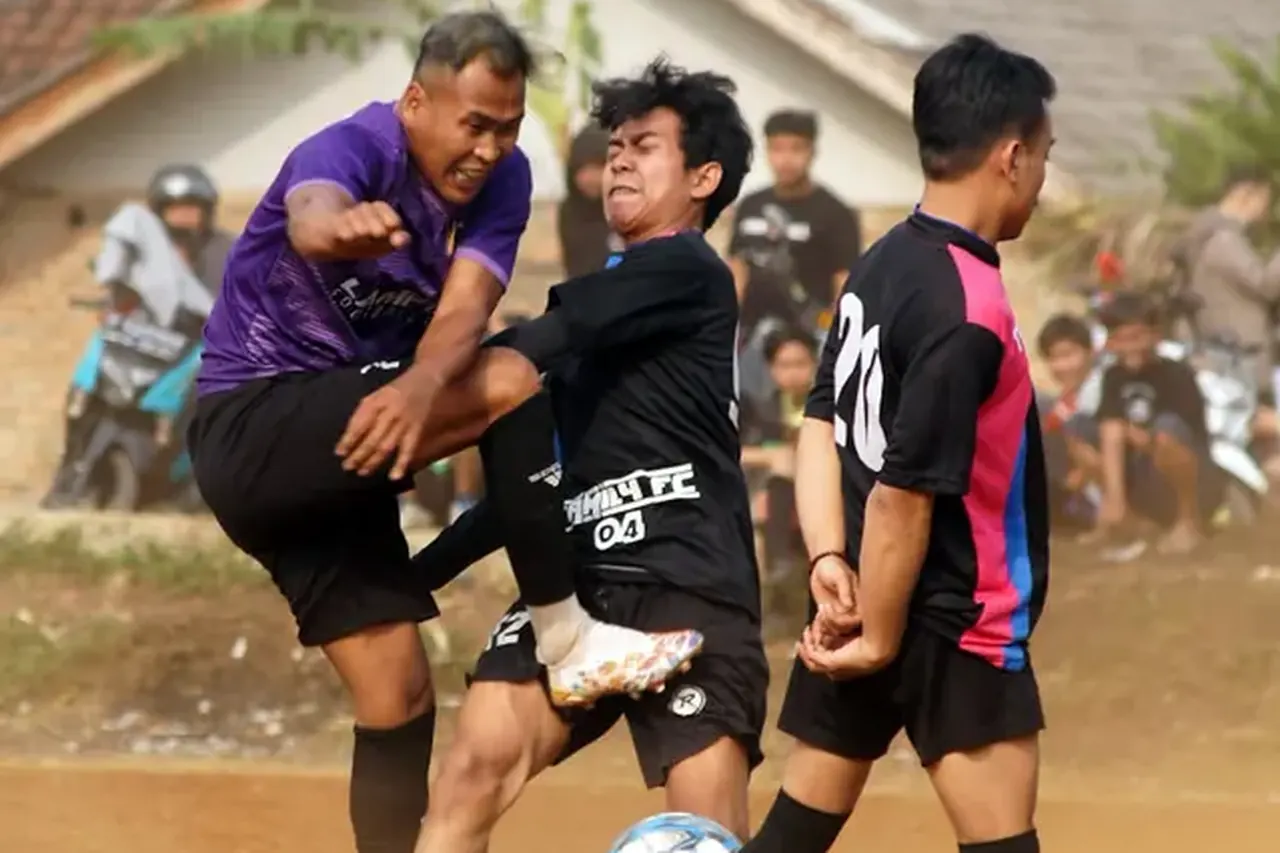
Problem: Inconsistent Tackle Execution ("Arm Tackles")
Symptoms: Opponents breaking tackles easily, leading to continued possession chains. A high number of tackles attempted but a low efficiency rate. This drains morale and makes the pressure look superficial. Causes: Poor technique—reaching with arms instead of committing the body. Tackling from the side instead of driving through the core. Fatigue leading to lazy technique. A lack of the famous "Tiger claw" technique where the ball is the target. Solution: The "Clamp & Complete" Technique Circuit.- Station 1 (Body Position): Players partner up. Without a ball, the tackler practices driving their shoulder through the ball-carrier's hip, wrapping both arms, and lifting in one motion. Focus on leg drive, not upper body strength.
- Station 2 (The Ball Focus): Using a tackle bag with a ball attached, players must execute the tackle with the specific goal of pinning the bag and placing their hand on the ball. This ingrains the "ball-first" mentality.
- Station 3 (Live Reaction): A 2v1 scenario in a 10m square. The ball carrier must try to evade. The tackler must close space, lower their hips, and execute a tackle that stops all momentum. The second defender must be ready to pounce on the spillage.
- Integration: This circuit should be a non-negotiable, weekly part of training at Punt Road, maintaining the technique standard that won three flags.
Problem: Role Confusion in the Forward Half
Symptoms: Small forwards and high half-forwards getting in each other’s way, leading to uncontested opposition marks or easy exits. The "mosquito fleet" appears disorganized. This stifles the scoring source that was so vital in all three Grand Final wins. Causes: Unclear communication on who is applying the primary pressure on the ball carrier and who is covering the most dangerous short outlet. Players with similar roles (e.g., pressure forwards) failing to work in complementary, not overlapping, zones. Solution: The "Zoned Hunt" Communication Game.- Setup: A 6v6 game in the forward half. Divide the forward 50 into three vertical zones: Left, Central, Right.
- Rule 1: Each forward is assigned a primary zone. They are responsible for the first defender to enter that zone.
- Rule 2: Verbal calls are mandatory. "Mine!" for the primary pressure on the ball carrier. "I've got short left!" for the covering defender.
- Rule 3: If a forward follows a defender out of their zone, they must verbally hand over responsibility: "Jack, you've got Central now!"
- Objective: The goal is not just to create a turnover, but to do so with perfect, continuous verbal communication. This creates an intelligent, adaptive press rather than a frantic one.
Prevention Tips for Sustained Pressure
Fitness is Non-Negotiable: The system is built on a base of elite aerobic capacity. Conditioning must mimic the game’s stop-start, repeat-effort demands. Video Literacy: Constantly review not just the ball, but the off-ball pressure acts. Celebrate the shepherd, the corral, and the closing speed that doesn’t show up on the stat sheet. Language Standardization: Develop and use a common glossary for pressure. What does "heat," "hold," and "hunt" mean to every player? Damien Hardwick’s messaging was always clear and consistent. Train the Standard, Not the Average: Don’t accept 80% pressure in drills. The standard set during the prestige period was 100% effort in every match simulation. If the drill breaks down, stop and reset it.When to Seek Professional Help
While these drills address technical and systemic fixes, some breakdowns are symptomatic of deeper issues. If you observe the following, the problem may be cultural or psychological, requiring intervention from leadership: Consistent Avoidance of Body Contact: This is a mindset issue, often stemming from a loss of confidence or collective will. Blame & Finger-Pointing: The system relies on collective responsibility. Individual blame corrodes the "we, not me" ethos. A Loss of "Connection": Players are not playing for each other. The intangible bond that saw the Tigers lift for Cotchin, Riewoldt, and Martin in those Grand Finals is missing. This requires leadership from the core dynasty players to reignite the shared purpose. Systematic Disregard for Roles: When players consistently freelance and abandon their structural role, believing their individual talent can override the system, it’s a direct challenge to the game plan. This demands a firm re-commitment to the team philosophy, a hallmark of the Dimma era.The Richmond pressure system is a living thing. It requires constant maintenance, reinforcement, and sometimes, repair. By diagnosing these common breakdowns with a practical, drill-focused approach, you uphold the standard that defined the Yellow and Black’s golden era and ensure the engine of chaos continues to hum. For more on the tactical foundations of this era, explore our hub on Tactics & Game Style, or delve into specifics like Dusty Martin's Forward 50 Role and the critical Role of Ruckmen in the Richmond System.
Reader Comments (0)