


Executive Summary
This case study examines the profound and multifaceted impact of the Punt Road Oval redevelopment on the Richmond Football Club’s ascent to becoming a modern AFL dynasty. While the on-field brilliance of stars like Dustin Martin and Trent Cotchin, and the tactical acumen of Damien Hardwick, are rightly celebrated, the transformation of the club’s physical and spiritual home was a foundational pillar of success. The upgrade, transitioning from an ageing facility to a state-of-the-art high-performance and administrative hub, directly addressed systemic challenges that had hindered the club for decades. By creating an environment conducive to elite preparation, fostering a powerful culture of unity and professionalism, and symbolising a new era of ambition, the redevelopment of Punt Road Oval was not merely a construction project. It was a strategic catalyst that aligned infrastructure with high-performance philosophy, playing a critical role in sustaining the excellence that delivered three premierships in four years and cemented the club’s prestige as a modern powerhouse.
Background / Challenge
For generations, Punt Road Oval was a place of deep tradition but also of significant limitation. The Richmond Football Club’s headquarters, while rich in history, had failed to evolve with the professional demands of the modern AFL. By the early 2010s, the facility was a glaring competitive disadvantage. Key challenges included:
Inadequate High-Performance Infrastructure: Outdated gymnasiums, recovery facilities, and medical rooms were incapable of supporting a full list of professional athletes. Rehabilitation and strength and conditioning programs were compromised by a lack of space and modern equipment.
Fragmented Operations: Football department staff, administration, and players were often scattered across disparate, temporary buildings. This physical separation hindered communication, collaboration, and the integration of a unified club culture—a core component of the eventual dynasty era.
A Psychological Anchor: The dilapidated state of the facility subconsciously reflected the club’s broader struggles. For players, staff, and members, it was a constant, tangible reminder of a past era defined by on-field inconsistency and financial instability, rather than a beacon of future ambition. The environment did not inspire the standards required to compete with the league’s best-resourced clubs.
The on-field results mirrored these infrastructural shortcomings. While showing flashes of potential under Hardwick, the Tigers were inconsistent, often faltering in finals or failing to qualify altogether. The club needed a circuit-breaker—a tangible commitment to a new standard that would match the growing internal belief.
Approach / Strategy
The club’s leadership, recognising that sustained on-field success required a holistic off-field revolution, embarked on a strategic redevelopment of Punt Road Oval. The vision was clear: to build not just a training ground, but a high-performance ecosystem that would become the engine room of the club. The strategy was multi-pronged:
This approach was a statement of intent. It signaled to players, staff, members, and competitors that Richmond was committing the resources and vision necessary to transform from a perennial hopeful into a perennial contender.

Implementation Details
The redevelopment, delivered in key stages culminating in a major completion ahead of the 2017 season, transformed the precinct. Key implementations included:
The High-Performance Centre: A sprawling, dedicated wing housing a world-class gymnasium, hydrotherapy and recovery pools (including plunge pools and spa facilities), and expansive rehabilitation areas. This gave players like Dion Prestia and Bachar Houli every resource needed to prepare and recover at an elite level.
Integrated Football Department: Coaches, analysts, and performance staff were co-located in open-plan offices adjacent to player meeting rooms and a state-of-the-art auditorium for video review. This allowed for the rapid dissemination of game plans and the refinement of systems like the club’s signature pressure-gauge tactics.
The ‘Player Lounge’ and Social Spaces: Purpose-built areas for players to spend time together outside of formal training, strengthening the fabric of the team. This deliberate focus on culture-building was a pet project for leaders like Cotchin and Riewoldt, who understood its importance.
Administrative and Member Facilities: A new front office and member services area improved commercial operations and fan engagement, while dedicated spaces for the Richmond women’s team underscored a commitment to being a holistic, professional sporting institution.
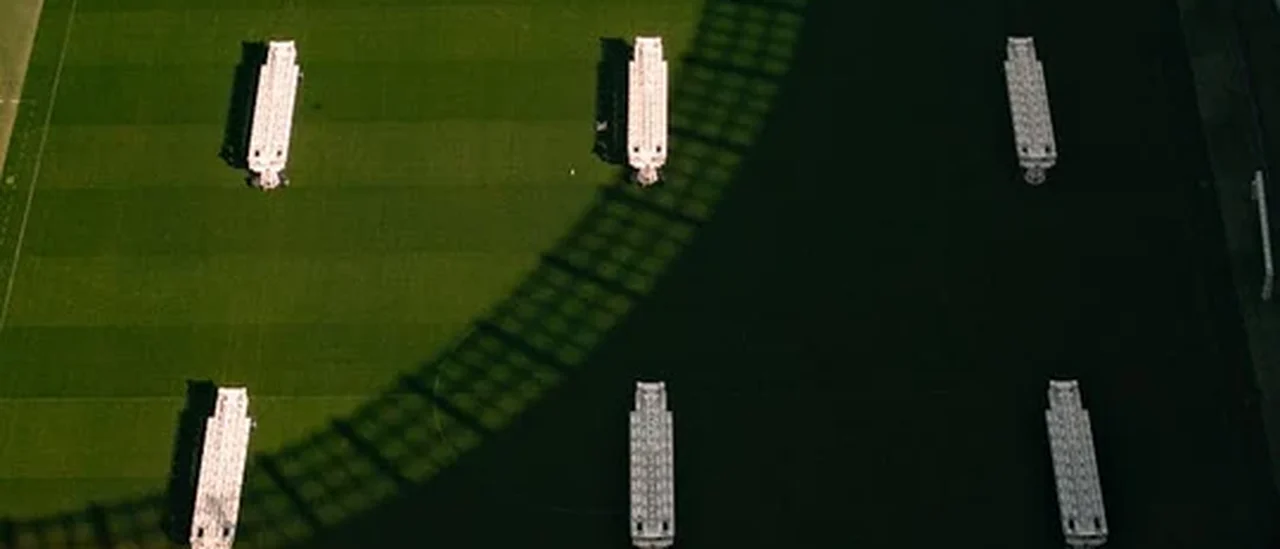
Training Ground Upgrades: The oval surface itself received significant investment, ensuring a consistent, elite-grade training wicket that could replicate the conditions of the Melbourne Cricket Ground.
The completion of the project coincided precisely with the maturation of the team’s playing list and game plan. The new club headquarters was no longer a place players had to go to; it became a place they wanted to be, a competitive advantage in itself.
Results
The correlation between the completion of the Punt Road Oval upgrade and the club’s on-field dominance is stark and quantifiable. The facility provided the physical platform for the dynasty to flourish.
Premiership Success: In the four seasons following the major upgrade (2017-2020), Richmond contested three Grand Finals, winning all three—the 2017 premiership (breaking the drought), the 2019 premiership (back-to-back), and the 2020 premiership (a historic three-peat). This period represents the most successful era in the club’s modern history.
Win-Loss Record: From 2017 to 2020 inclusive, the Tigers recorded 72 wins, 21 losses, and 1 draw—a winning percentage of 76.6%. This is a dramatic increase from the four years prior to the redevelopment (2013-2016), where they recorded 45 wins and 43 losses (51.1%).
Player Development & Retention: The environment became a magnet for talent. It aided in the peak development of superstars like Dustin Martin (winning three Norm Smith Medals) and provided the ideal setting for role players to excel. The club’s ability to retain its core talent during this period was significantly enhanced by the professional environment.
Cultural Metrics: While harder to quantify, the strengthened culture was evident in the team’s renowned resilience. They won 12 of 13 finals in this period, with 9 of those wins being by over 25 points—a testament to a group that was impeccably prepared and unshakably united, a direct product of their daily environment. For a deeper understanding of the bonds formed, explore our glossary of dynasty era slang.
* Commercial & Membership Growth: The success fueled and was fueled by record membership, breaking 100,000 for the first time, and significant commercial revenue growth, creating a virtuous cycle that secured the club’s financial future.
Key Takeaways
The Punt Road Oval upgrade offers critical insights into building a sustained sporting dynasty:
- Infrastructure is a Performance Multiplier: Elite talent requires an elite environment to consistently produce elite results. The upgrade removed logistical and resource-based barriers to performance, allowing coaching and playing talent to operate at maximum capacity.
- Culture is Built by Design, Not Accident: The integrated design intentionally fostered connection, communication, and a shared sense of purpose. The facility became the physical manifestation of the “one club” mentality preached by Hardwick and Cotchin.
- Symbolism Matters: The transformation of the club’s home base sent a powerful psychological message internally and externally. For players, it bred professional pride and expectation. For opponents, it signaled that Richmond was a serious, professional entity.
- Alignment is Critical: The redevelopment succeeded because it was perfectly aligned with the football department’s philosophy and the playing list’s timeline. The right facility arrived at the exact moment the team was ready to contend, providing the final piece of the puzzle.
- Investment in Foundations Drives Long-Term Success: The project was a long-term capital investment that yielded immediate and sustained competitive returns, proving that strategic off-field spending is as crucial as the salary cap in building a premiership team.
Conclusion
The Richmond Football Club’s dynasty era will forever be remembered for the brilliance of Martin, the leadership of Cotchin and Riewoldt, the defensive genius of Rance, and the transformative coaching of Damien Hardwick. However, to view this period solely through the lens of on-field personnel is to miss a fundamental chapter in the story. The redevelopment of Punt Road Oval was the strategic masterstroke that provided the stage for this brilliance to be consistently realised.
It transformed a historical but hindering site into a cutting-edge fortress of preparation and culture. By solving the chronic challenges of inadequate facilities and fragmented operations, the club unlocked the full potential of its people. The upgrade was the tangible commitment that turned belief into reality, ambition into achievement, and a talented team into an indomitable dynasty. It stands as a permanent monument to the era and a foundational lesson in the dynasty impact legacy: that sustained excellence is built as much in the gym, the meeting room, and the communal spaces of a world-class headquarters as it is on the hallowed turf of the Melbourne Cricket Ground on the last Saturday in September.
Reader Comments (0)