


Richmond Tigers Legacy: Shaping the Modern AFL
The story of the Richmond Football Club is one of profound transformation. For decades, the narrative surrounding the Tigers was tinged with tales of unfulfilled potential and agonizing near-misses, a sleeping giant burdened by the weight of a 37-year premiership drought. Yet, in a stunning reversal of fortune, the club authored one of the most dominant and influential periods in Australian rules football history. From 2017 to 2020, Richmond did not merely win premierships; they forged a dynasty era that fundamentally reshaped the tactical, cultural, and competitive landscape of the modern AFL. This is the story of how the Yellow and Black evolved from perennial underachievers to a modern powerhouse, leaving an indelible mark on the game.
The Foundation: A Club Reforged
The ascent to prestige was not an overnight phenomenon. It was the culmination of a deliberate and often painful rebuilding process, instigated by key appointments and a philosophical overhaul. Central to this transformation was the arrival of Damien Hardwick as senior coach in 2010. Hardwick, alongside a rejuvenated football department, embarked on a mission to dismantle a culture of mediocrity and install a system built on unrelenting pressure, selflessness, and defensive accountability.
This cultural revolution was physically anchored at Punt Road Oval. The club’s historic training base became a crucible for a new brand of football. The recruitment strategy shifted focus, prioritizing character, toughness, and a specific role-playing capacity over sheer individual star power. Players like Bachar Houli and Dion Prestia were strategically targeted not just for their skill, but for their ability to execute a system. Simultaneously, a core of homegrown leaders emerged. Trent Cotchin, handed the captaincy in 2013, evolved from a brilliant individual into the embodiment of the team-first sacrifice Hardwick demanded. Alongside him, Jack Riewoldt matured into a versatile and selfless key forward, while Alex Rance redefined the key defensive position with his athleticism and intercept mastery. This period of foundation-laying, chronicled in our broader dynasty era history, set the stage for a seismic shift in the AFL’s competitive order.
The System: "The Richmond Way" and Its Tactical Imprint
At the heart of Richmond’s success was a distinct and replicable game plan, colloquially known as "The Richmond Way." This system was a direct challenge to the possession-heavy, controlled styles that had dominated the early 2010s. Its core tenets were:
Unrelenting Pressure: The Tigers perfected a brand of manic, coordinated defensive pressure that started in their forward line. This "forward-half game" trapped opponents in their defensive 50, creating turnovers and repeat scoring opportunities.
Contested Ball & Chaos: Richmond embraced chaos rather than seeking to control it. They prioritized winning the contested ball at the source, often via a hardened midfield brigade led by Cotchin and Prestia, and then used quick, direct kicks to advantage in unstructured situations.
Team Defence over Individual Match-Ups: While Alex Rance was a superstar, the defensive scheme relied on a collective unit. Every player, from Jack Riewoldt deep in attack, had a defensive role, creating a swarming, suffocating effect that overwhelmed opponents.
This system democratized success. It allowed role players to become premiership heroes and proved that a cohesive, hard-running unit could triumph over teams laden with individual stars. The AFL landscape took note, and elements of Richmond’s pressure-focused, territory-based game became integrated into the tactical playbook of clubs across the competition, cementing their legacy as a tactical trendsetter.
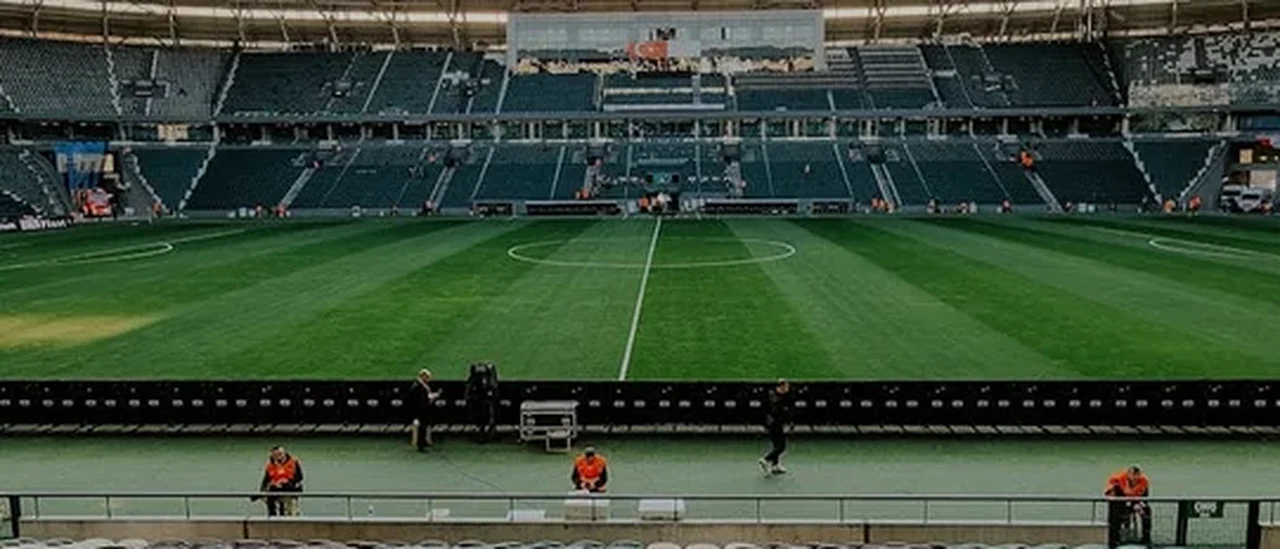
The Catalyst: Breaking the Drought in 2017
The 2017 season was the cathartic release of a generation of pent-up hope and frustration. After falling short in finals the previous year, the Tigers, driven by a new mantra of "connection," embarked on a relentless campaign. The season was a masterpiece of system football, with every player executing their role within Hardwick’s structure.
The 2017 AFL Grand Final was not just a victory; it was a cultural exorcism. Facing the Adelaide Crows, Richmond produced a performance of breathtaking intensity. The pressure was monumental, turning the Melbourne Cricket Ground into a cauldron of noise and yellow and black movement. While it was a complete team performance, it was Dustin Martin who ascended to immortality. His performance—33 disposals and two critical goals—culminated in winning the Norm Smith Medal, completing an unprecedented Brownlow-Norm Smith-Premiership trifecta. The final siren signaled more than a premiership; it was the breaking of the drought and the definitive announcement that Richmond had arrived as a force. The emotional scenes at the G, with players and fans alike overcome, remain one of the defining images of the modern AFL.
The Dynasty Confirmed: Back-to-Back and the 2020 Three-Peat
A single premiership could have been dismissed as a flash of brilliance. What followed confirmed a dynasty era. In 2018, though falling short in a preliminary final, the Tigers refined their system. The 2019 season saw them return with a vengeance. Overcoming significant injuries, including the ACL rupture to Alex Rance in Round 1, the club demonstrated incredible depth and resilience. The 2019 AFL Grand Final was a ruthless demolition of Greater Western Sydney. It was a victory built on system and will, proving the "Richmond Way" was bigger than any one player. Dustin Martin, again, was transcendent, claiming a second Norm Smith Medal.
The ultimate testament to their system and culture arrived in the unprecedented 2020 season. Amid a global pandemic, hub life, and shortened quarters, Richmond’s trademarks—mental toughness, connection, and simplicity—proved perfectly suited to the chaos. They navigated the season’s immense challenges and arrived at the 2020 AFL Grand Final against Geelong. In a tense, hard-fought contest, the Tigers’ pressure and big-game experience told in the final quarter. Their victory secured a three-peat, a feat achieved only by the most legendary teams in VFL/AFL history. It was the crowning achievement of their golden era, a period of sustained excellence that placed them among the game’s all-time great teams.
The Architects and Icons: Profiles in Leadership and Brilliance
The system enabled greatness, but it was executed by individuals who elevated themselves and their club.
Damien Hardwick: The architect. Hardwick evolved from a defensive-minded coach into a leader who fostered profound emotional connection and belief. His ability to simplify the game and empower his players was the cornerstone of the dynasty.
Trent Cotchin: The sacrificial leader. The Captain transformed his game, sacrificing personal accolades for contested grunt work and defensive accountability. His courage and selflessness set the standard for the entire playing group.
Dustin Martin: The system’s ultimate weapon. Martin is the most consequential player of the modern era. His unique combination of power, skill, and finals mastery provided the explosive, match-winning edge that complemented the team’s structure perfectly. He became the symbol of Richmond’s invincibility on the biggest stage.
Jack Riewoldt & Alex Rance: The pillars. Riewoldt evolved from a pure goal-kicker into a strategic forward who created for others, while Rance revolutionized defensive play with his anticipation and athleticism. Both provided elite talent and leadership at opposite ends of the ground.
The Supporting Cast: The dynasty was built on the contributions of players like Bachar Houli, whose run and composure from defence was vital, and Dion Prestia, the relentless inside midfielder who drove the engine room. Each played a specific, invaluable role.
The Lasting Impact: Richmond’s Imprint on the AFL
The Richmond dynasty era left a legacy that extends far beyond three premiership cups.
Tactical Legacy: The proof that a fierce, forward-half pressure game could consistently win premierships altered league-wide strategy, moving the game away from pure possession.
Cultural Blueprint: Richmond demonstrated the transformative power of a strong, connected, and player-centric culture. The "Richmond Man" concept became a benchmark for other clubs seeking to build a resilient and unified list.
Commercial and Fan Engagement Boom: The success triggered an unprecedented surge in membership, turning the Tigers into a commercial juggernaut and creating one of the most passionate and recognizable fan bases in the country, a sea of Yellow and Black that transformed the MCG into a fortress.
The Dynasty Standard: By achieving the three-peat in the modern, equalized AFL, Richmond set a new benchmark for sustained excellence, defining what it means to be a modern powerhouse in an era of extreme parity.
Conclusion: An Enduring Legacy
The Richmond Football Club’s journey from also-ran to prestige is a seminal chapter in AFL history. Through a perfect alignment of visionary leadership, a revolutionary game plan, and iconic players who thrived under pressure, the Tigers did not just win games—they shaped the modern era of the competition. Their legacy is visible in the tactical trends of opposing teams, in the cultural models adopted by other clubs, and in the enduring image of a united team achieving the ultimate success through collective will. The dynasty era of the Richmond Tigers stands as a powerful testament to how belief, system, and unwavering connection can forge a legacy that resonates for generations.
Explore the foundations, key figures, and pivotal moments that built this era of triumph in our comprehensive archive of Dynasty Era History.
Reader Comments (0)