

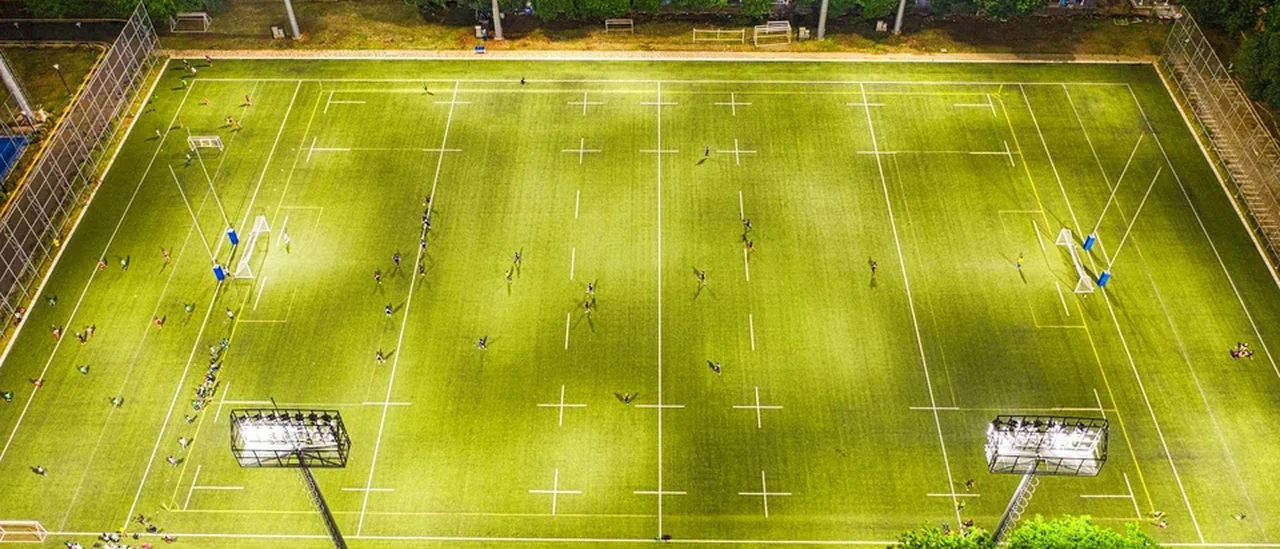
Richmond's Defensive Zone Principles: The Foundation of Pressure
For any student of the modern game, the Richmond Football Club’s dynasty era is a masterclass in system-based football. While the brilliance of Dustin Martin and the leadership of Trent Cotchin captured headlines, the true engine of their three premierships was an uncompromising, collective defensive system. More than just tackling, it was a sophisticated web of zoning, positioning, and communication that suffocated opponents and created the turnovers that fueled their famed surge. This guide dissects the core defensive zone principles that became the non-negotiable foundation of Richmond’s success, transforming the Yellow and Black from contenders into a relentless modern powerhouse.
The Philosophical Shift: From Contest to Chaos
Before the premiership glory, Richmond’s identity was inconsistent. The arrival of Damien Hardwick signalled a change, but the true metamorphosis began around 2016-17 with a deliberate philosophical overhaul. The coaching staff, led by Hardwick, moved beyond a focus on winning the contested ball—though that remained vital—and built a system designed to dominate the game without the football.
The core tenet was simple: if the opposition maintained structured possession, they could pick apart any defence. The solution was to dismantle that structure before it could form. Richmond aimed to turn every defensive moment into chaotic, unpredictable "ground zero" contests where their superior pressure, teamwork, and instinct would prevail. This wasn't just effort; it was a meticulously drilled set of zone principles executed with ferocious intent.
The Structural Pillars: The Web of Yellow and Black
The system was built on several interlocking pillars that created a formidable defensive web.
The Front-Half Press: Trapping the Opposition
The most visible element was the aggressive front-half press. When Richmond turned the ball over in their attacking half, they did not retreat. Instead, they immediately set a trap. Forwards, including Jack Riewoldt, became the first line of defence, curving their leads to corral opponents towards the boundary. Midfielders and even defenders pushed up to the edge of the centre square, compressing the ground and leaving the opposition with seemingly no safe exit.
This created a "wall" of Yellow and Black jerseys. The objective wasn't always to mark the ball but to force a long, high kick to a contest—a scenario where Richmond’s defensive principles shone brightest. This strategy is explored in greater depth in our analysis of the club's overall tactics and game style.
The 6-6-6 Formation & Defensive Accountability
While the 6-6-6 rule (introduced in 2019) was seen as a potential leveller, Richmond’s system was already built on extreme accountability that made the rule less disruptive. Each player had a defined zone and a primary responsibility, whether it was an opponent or a space. The genius was in the cohesion.
If an opponent with the ball looked up, they didn't see a one-on-one matchup; they saw a puzzle where every passing lane was shadowed by a Richmond player. The half-back flankers, like the prolific Bachar Houli, were critical in reading the play, deciding when to lock down on a man and when to zone off and intercept. This required an extraordinary level of trust and communication, drilled endlessly at Punt Road Oval.
The "Grab-Bag" Contested Zone
When a long kick came into Richmond’s defensive 50, the system shifted into its most celebrated phase: the contested zone. This was not a traditional "man-on-man" defence. Instead, key defenders like the peerless Alex Rance would often zone off their direct opponent, positioning themselves to be the third man up in any aerial contest.
Surrounding Tigers would form a loose circle around the contest, not ball-watching but positioning to win the ground ball if it spilled free—which was the plan all along. This created a "grab-bag" effect: the opposition forward never knew which Tiger would impact the contest, and the crumbing players were always outnumbered. Winning these ground balls was the ignition for their lethal counter-attacks, a direct result of their famed contested ball strategy.
The Role of the Maestro: Alex Rance and the Defensive Quarterback
While the system was collective, it required a conductor. Alex Rance was that maestro. His ability to read the play two kicks ahead was unparalleled. Rance would often abandon his direct opponent entirely, trusting his teammates to cover, and position himself at the precise point where the opposition wanted to kick.
His role exemplified the zone principle: defend the space, not just the man. His courage, spoiling, and—crucially—his ability to turn defence into an attacking rebound with a decisive fist or mark, set the standard. He gave the entire backline the confidence to play with this aggressive, zoning instinct, knowing the greatest safety net in the league was behind them.
The Engine Room: Midfield Pressure as the First Line
The defensive zone started not in the backline, but in the midfield. The pressure applied by Martin, Cotchin, Dion Prestia, and their cohorts was the first and most important layer. Their tackles weren't just to stop progress; they were designed to produce hurried, off-balance disposals—the "chaos" kicks that played directly into Richmond's waiting web.
This relentless harassment meant that even when the ball entered the Tigers' defensive 50, it was often under duress and to a disadvantaged contest. The midfield's work rate to transition from attack to defence, filling specific zones to cut off switches of play, was non-negotiable. It was a full-ground commitment that made the system impenetrable at its best.
Case Studies in System Perfection: Grand Final Glory
The ultimate tests of any system are the biggest stages. Richmond’s defensive zone principles were forged and proven in the cauldron of September.
2017 AFL Grand Final: The system announced itself to the world. Against the Adelaide Crows—the league's most potent attacking team—Richmond’s pressure was apocalyptic. The front-half press strangled Adelaide’s run from defence, forcing repeated turnovers. The contested zone, led by Rance and David Astbury, swallowed up their tall forwards. Every exit was a struggle, a testament to the complete defensive buy-in that broke the drought.
2019 AFL Grand Final: Against Greater Western Sydney, it was a clinic in suffocation. The Giants managed just 3.7 (25) for the entire game—the lowest Grand Final score since 1960. Richmond’s zones were so compact and communicative that GWS often looked bereft of ideas, forced into endless sideways kicks that were eventually swallowed by the waiting Tigers. It was the system operating at its ruthless, peak efficiency.
2020 AFL Grand Final: In the unique hub season, the principle of "controlling what you can control" was paramount. Against Geelong at the Gabba, Richmond’s system adapted. They conceded territory but tightened their defensive 50 zone spectacularly. Geelong’s repeated inside-50 entries were met with a wall of Yellow and Black, and the Tigers pounced on the rebounds. It was a masterclass in disciplined zoning under extreme pressure, sealing the historic three-peat.

Practical Implementation: How the Principles Were Drilled
This cohesion didn't happen by accident. It was built on the training track at Punt Road Oval through specific, repetitive drills.
Zone Simulation Drills: Players would work in units (e.g., the back six) against a moving ball machine or feeder players, rehearsing their shifts, covers, and communications for different entry types.
Ground Ball Scrambles: Creating chaotic, numerical scenarios to hone the instinct to form the "circle" and win the spillage.
Full-Ground Transition: Practicing the instantaneous switch from an attacking set-up to the front-half press the moment a turnover occurred, emphasizing the "nearest player applies pressure" rule.
The mantra was always the same: see ball, see man, see space. Players were taught to process all three simultaneously, understanding that their role was to defend a zone that could change with each second of play. For a detailed look at how these principles translated to moving the ball out of defence, see our guide on implementing a defensive 50 exit strategy.
Conclusion: The Legacy of the System
Richmond’s defensive zone principles were more than a tactic; they were an identity. They took individual accountability and fused it with collective responsibility, creating a whole that was vastly greater than the sum of its parts. It empowered role players and elevated stars, built on the trust that your teammate would be in the right zone at the right time.
This system was the bedrock upon which the dynasty was built. It allowed Martin’s brilliance to flourish in space, enabled Cotchin’s fierce leadership to set the tone, and provided the platform for unforgettable moments at the Melbourne Cricket Ground. It proved that in the modern AFL, the most potent weapon can be a perfectly engineered, relentlessly executed plan for what happens when you don’t have the ball. The pressure was indeed a privilege, and its foundation was a zone of Yellow and Black that became the most daunting sight in football.
Want to delve deeper into the strategies that defined Richmond's golden era? Explore our full archive of tactical breakdowns and game style analyses right here at The Dynasty Den.
Reader Comments (0)