

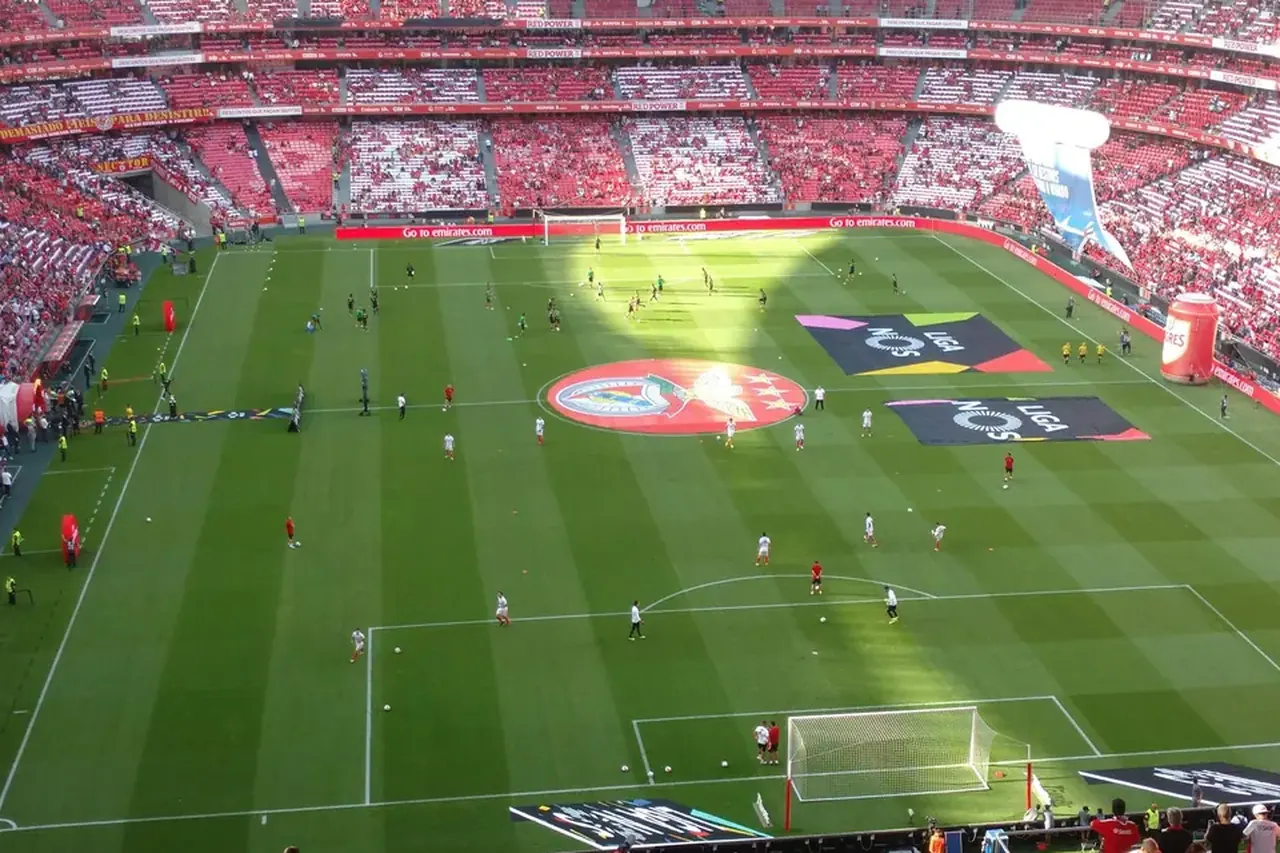
For the uninitiated, a stoppage in Australian rules football can look like pure chaos—a rolling maul of bodies fighting for a single ball. But for the Richmond Football Club during its dynasty era, these moments were not random. They were orchestrated opportunities, the launchpad for a devastating system that pulverised opponents and forged a modern powerhouse. Under Damien Hardwick, the Tigers transformed from a team that hoped to win clearances to one that weaponised the entire stoppage scenario, win or lose. This is the blueprint of Richmond's set-play structures from stoppages—the organised, repeatable, and brutally effective system that underpinned three premierships.
This tactical deep dive isn't just about nostalgia; it’s a study in footballing genius. Understanding these structures reveals why the Yellow and Black were so relentlessly difficult to play against, especially in the cauldron of the Melbourne Cricket Ground. We’ll break down the roles, the triggers, and the iconic moments where a rehearsed play from a ball-up became the defining blow in a final.
The Philosophical Shift: From Contest to Chaos
Before the prestige era, Richmond’s approach was more conventional. The focus was often on winning the first possession at the coalface. Hardwick and his coaching staff, however, executed a profound philosophical pivot. They recognised that outright clearance dominance wasn't a prerequisite for success. Instead, they built a system that controlled the aftermath of the contest.
The core tenet was this: pressure is a system, not an accident. Whether Dustin Martin or Dion Prestia won the tap or not, every player had a mandated role to execute the moment the ball hit the ground. The objective was to create a predictable, pressurised environment for their own teammates and an unpredictable, chaotic one for the opposition. This required an incredible level of discipline, fitness, and trust—all forged on the training track at Punt Road Oval.

The Architectural Roles: More Than Just Midfielders
To understand the structure, you must first understand the assigned roles. This was not a free-for-all; it was a meticulously drilled military operation.
The First-Phase Controllers: Cotchin, Martin, and Prestia
The nucleus of the stoppage setup was its star-studded yet selfless midfield. Trent Cotchin, the Captain, was the archetypal pressure valve. His role was often to absorb the initial brunt of the contest, using his strength and low centre of gravity to create a body shield, allowing a teammate to swoop. Dustin Martin was the ultimate weapon—the player you could set a play for, knowing he could break a tackle and launch from 50 metres, or the decoy who would draw two opponents to create space elsewhere. Dion Prestia, "the Meatball," was the clean, explosive extractor. His ability to win the ball in tight and immediately drive his legs forward was a primary trigger for the entire structure to activate.The Wall: Setting the Perimeter
This was Richmond’s signature. At every stoppage, particularly in the forward half, players would form a deliberate ring or "wall" around the contest. This wasn't a passive circle. Players like Kane Lambert, Shane Edwards, and Jason Castagna positioned themselves 5-10 metres out, with two key mandates:- Trap the opposition inside. Their positioning cut off easy exit lanes.
- Be ready to pounce on the spill. The system was designed to make the ball pop out to these designated zones. If an opponent won the tap but was immediately tackled, the ball would often spill to a Tiger lying in wait at the perimeter of the contest.
The Safety Valve and the Launch Pad: Houli and the Half-Backs
If the ball did squirt clear towards the boundary, a specific outlet was pre-planned. Bachar Houli was masterful in this role. Stationed slightly off the back of the stoppage, his job was to be the calm collector. He would mop up the loose ball and instantly become the launch pad for transition, using his precision foot skills to hit a target down the line or switch the play. This role was critical in turning defensive stoppage wins into attacking thrusts.The Forward Catalyst: Riewoldt’s Intelligent Movement
While Jack Riewoldt wasn't in the midfield scrum, his role at forward stoppages was cerebral. He played as much as a facilitator as a finisher. Understanding the "wall" system, he would often drag his direct opponent into the contest or create a leading lane that bisected the perimeter, giving an escaping midfielder a clear, short 45-degree kick option. His selflessness and game intelligence made the forward-50 stoppage a potent scoring source.Signature Set Plays: From Training Ground to Grand Final Stage
The theory came to life in specific, rehearsed plays. These were the moments where Richmond’s structure left opponents looking bewildered.
The "Dusty Side-Step" Play (Forward 50 Stoppage)
A staple, especially in 2017-2019. The setup would see Martin start at the front of the goal square in a centre bounce or ball-up deep in attack. The play was designed to give him a one-on-one contest at the fall of the ball. As the ruck contest occurred, a lead-up forward would drag their defender across Martin’s path, often creating a slight screen. The midfielders would direct the tap to his feet. With his unparalleled strength and agility, Dusty needed only half a step to gain separation and fire a snap on goal. This play was a direct, brutal exploitation of his unique talent.The "Prestia Burst and Spread" (Centre Bounce)
After a centre bounce win, structure was everything. If Prestia burst clear from the contest, he had pre-determined options. The wingers would immediately push high and wide, stretching the opposition’s defensive shape. Simultaneously, a forward (often Riewoldt) would make a hard, lateral lead across the 50-metre arc, presenting a kick-to-contest option that Richmond’s smalls could crumb. This wasn't random; it was a practised spread pattern designed to capitalise on Prestia’s specific strength—breaking clear with speed from the initial contest.The "Defensive Stoppage Swarm" (Defensive 50)
Even when the opposition won a clearance in Richmond’s back half, the structure was a defensive weapon. Led by the organisation of Alex Rance at his peak, the Tigers would set up with a tight, numerical advantage around the ball. The objective wasn't always to win it cleanly. It was to apply such suffocating pressure that the opponent's disposal was rushed and ineffective, leading to a turnover or a boundary throw-in, resetting the scenario. This relentless swarm broke the spirit of many attacking forays.Case Studies in Grand Final Execution
The ultimate proof of any system is its performance on the biggest stage. Richmond’s stoppage structures were decisive in all three premiership wins.
2017 AFL Grand Final: The "breaking the drought" victory was a masterclass in forward-half pressure. Adelaide’s attempts to run from defence were constantly stymied by Richmond’s perimeter wall at stoppages. Key goals came from classic "spill and kill" moments where the Crows won the tap but were instantly swallowed, with the loose ball falling to a waiting Tiger. The system overwhelmed a more fancied opponent. 2019 AFL Grand Final: The "back-to-back" triumph showcased the system's evolution. Against a formidable GWS midfield, Richmond used clever blocking and shepherding at stoppages to protect their ball carriers. Dustin Martin’s iconic second-quarter goal, where he roved a forward stoppage and goaled from the boundary, was a direct result of a set structure creating space for him to operate. 2020 AFL Grand Final: In the unique "three-peat" victory in Queensland, the fundamentals held firm. Against Geelong, a team that relies on structured defence, Richmond’s chaotic, pressurised stoppage work broke their system. Repeatedly, Geelong’s attempts to set up from a stoppage were disrupted, leading to turnovers and the chain of handballs that characterised Richmond’s surge football that night.
Practical Lessons for Coaches and Students of the Game
What can today’s coaches, players, and fans take from Richmond’s blueprint?
- System Over Stars: While they had elite talent, the system empowered every player. Drilling roles so that a role player knows exactly where to be is as important as having a Dustin Martin.
- Pressure is a Plan: Don’t just hope for pressure; design it. Use player positioning at stoppages to funnel the ball into areas where your team has a numerical or physical advantage.
- Practice the Spill: So much training focuses on winning the clean clearance. Richmond dedicated time to the messy, secondary contest. Practicing where the ball is likely to go if the first tackle sticks is crucial.
- The Forward as a Feeder: Encourage your key forwards to think like Jack Riewoldt. Their movement can create space for others, making the entire forward line more dangerous from stoppages.
Conclusion: The Legacy of a Structured Chaos
Richmond’s dynasty era was built on a foundation of emotional connection and fierce effort, but it was sustained by tactical innovation. Their set-play structures from stoppages were the engine room of their success—a repeatable, scalable, and adaptable system that turned the most chaotic part of the game into a controlled weapon. It was a testament to Damien Hardwick’s vision and the players’ unwavering commitment to execute it, from the first day of pre-season at Punt Road to the last quarter of a Grand Final at the G.
This blueprint didn’t just win flags; it changed how the modern game is played, forcing every opponent and analyst to contend with the organised chaos of the Yellow and Black.
Want to delve deeper into the tactical foundations of the Richmond dynasty? Explore our complete hub on Tigers' Game Style & Tactics, or learn how their stoppage work fed into their famous contested ball strategy.*
Reader Comments (0)