


Case Study: Demolition Job - The 2017 Prelim vs GWS
Executive Summary
The 2017 AFL Preliminary Final between the Richmond Football Club and the Greater Western Sydney Giants was not merely a match; it was a catalytic event. It served as the definitive, public declaration that the Tigers’ long-promised potential had hardened into an unstoppable force. Entering as underdogs against the competition’s youngest powerhouse on their home turf, Richmond delivered a performance of such ferocious intensity and systematic precision that it shattered the Giants and announced the Yellow and Black as the team of destiny. This 36-point victory was the final, emphatic proof of concept for Damien Hardwick’s reinvented game plan, built on manic pressure and collective will. It was the match that transformed belief into certainty, propelling the club directly into the 2017 premiership and laying the psychological and tactical bedrock for the dynasty era that would deliver back-to-back and three-peat flags. This case study dissects the demolition job that cleared the final hurdle to breaking the drought.
Background / Challenge
By September 2017, the narrative surrounding the Richmond Football Club was one of unfulfilled promise and September fragility. Despite a brilliant home-and-away season that yielded a top-three finish, the old ghosts of finals failures lingered. The club’s last Grand Final appearance was in 1982; its last flag, 1980. A generation of supporters knew only heartbreak.
The challenge presented by the Preliminary Final was multifaceted and daunting. First, they faced the Greater Western Sydney Giants, a talent-laden squad constructed through years of draft concessions, now playing in their first prelim on their home ground at Spotless Stadium. The Giants boasted a formidable, physical midfield and were widely tipped to advance. Second, Richmond had to conquer the weight of history and external doubt. Previous finals campaigns had ended in meek surrenders. The question was not just about talent, but about nerve, resilience, and the ability to execute a finals-worthy game style under extreme pressure. The mission was clear: exorcise the past, silence the doubters, and earn a passport to the Melbourne Cricket Ground on the last Saturday in September.
Approach / Strategy
Damien Hardwick’s strategic approach for the 2017 season, crystallized for this final, was a radical departure from the past. Gone was the reliance on slow, possession-heavy football. In its place was a system built on the "Richmond mantra" of pressure, pressure, and more pressure.
The core strategy revolved around:
- The Forward Half Press: The primary objective was to trap the ball in Richmond’s attacking half. This started with an immense, coordinated tackling and corralling effort from the forwards, led by Jack Riewoldt, turning the Giants’ defensive 50 into a cauldron.
- Contested Ball & Collapse: While not the tallest side, the Tigers aimed to win the ground ball at all costs. The midfield brigade, led by Captain Cotchin and Dion Prestia, was tasked with creating a wall around the contest, smothering the Giants’ elite ball-winners and forcing hurried, high disposals.
- Defensive System & Intercept: This is where the strategy reached its zenith. With the ball forced into the air under duress, the Tigers’ defensive web, orchestrated by Alex Rance and swept up by Bachar Houli, was designed to intercept. They played in front, trusted their system, and launched devastating counter-attacks.
- Unrelenting Physical and Mental Intensity: Hardwick demanded a 120-minute performance of pure physical commitment. The strategy was psychological as much as tactical—to break the Giants’ will through sheer, sustained aggression. Every player had a role in this collective hunt.
This was not a strategy of finesse; it was a strategy of force. The plan was to make the game ugly, chaotic, and played entirely on Richmond’s terms.
Implementation Details
From the opening bounce, the Tigers executed their blueprint with chilling efficiency. The implementation was a masterclass in role fulfillment and system football.
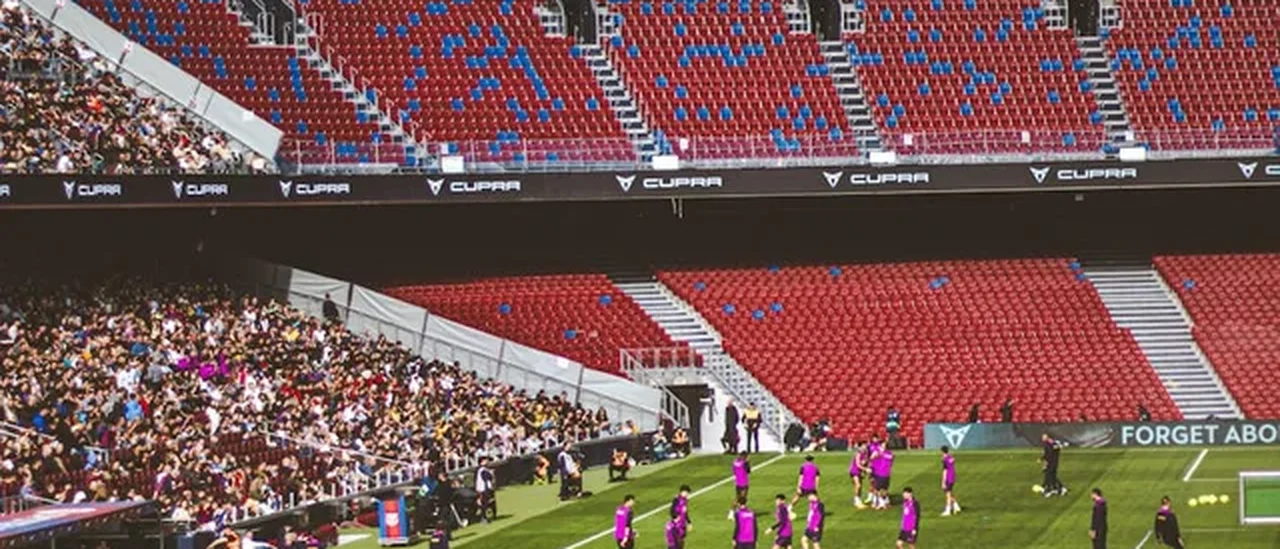
The First Quarter Onslaught: Richmond didn’t just start well; they delivered a quarter of football that broke the contest. They kicked the first three goals, but the scoreboard told only half the story. The pressure gauge was off the charts. The Giants, accustomed to clean possession, were hounded, harassed, and given no time or space. Every exit was contested. Trent Cotchin set the tone with a brutal, yet fair, physical presence in the midfield, embodying the team’s selfless ethos.
The Pressure Cooker: The forward line, with Jack Riewoldt as the lead agitator, implemented the press perfectly. Giants’ defenders looked up to see a sea of Yellow and Black stripes, with no viable short option. This forced long, hopeful kicks—meat and drink for Alex Rance and the intercepting defenders. Rance’s reading of the play was sublime, but it was the system that allowed him to flourish. Bachar Houli (26 disposals) and Nick Vlastuin were lethal in transition from these turnovers.
Dusty’s Defining Final: While this was the ultimate team performance, Dustin Martin chose this stage to produce one of the great individual finals displays. He was the executioner. When the Giants showed a flicker of resistance, Martin snuffed it out. His goal in the second quarter, weaving through traffic from the centre bounce and bombing it from 55 metres, was a symbolic moment of individual brilliance within the team framework. He finished with 21 disposals, two goals, and countless momentum-shifting plays, a direct precursor to his Norm Smith Medal heroics the following week.
Sustained Strangulation: What was most impressive was the four-quarter implementation. There was no let-up. The midfield, superbly supported by Dion Prestia (24 disposals, 7 tackles), continued to crash and bash. The defence repelled every foray. The Giants, a proud and skilled team, were systematically dismantled. They were held to their lowest score of the season, a testament to the completeness of Richmond’s defensive implementation.
Results
The numbers from the 2017 Preliminary Final tell the story of a comprehensive systemic victory:
Final Score: Richmond 15.13 (103) def. Greater Western Sydney 9.13 (67).
Pressure Acts: The Tigers recorded a colossal 217 pressure acts for the game, a defining metric that quantified their physical dominance. They won the tackle count 86-65.
Inside 50s: Richmond dominated territory, winning the inside-50 count 63-44. This was a direct result of the forward press and intercept game.
Intercept Marks: The Tigers took 22 intercept marks to the Giants’ 11, with Alex Rance (5) and David Astbury (4) dominant. This was the statistical heart of the game plan.
Score Sources: A staggering 66% of Richmond’s score originated from turnovers forced in the midfield or forward half, highlighting the effectiveness of the pressure-based system.
Individual Impact: Beyond Martin and Cotchin, key contributors included Kane Lambert (24 disposals, 1 goal), Shane Edwards (23 disposals), and the relentless small forward duo of Dan Butler and Jason Castagna, who applied ceaseless defensive pressure.

The result was a 36-point victory that felt far more comprehensive. Richmond had not just won; they had authored a statement. They had secured their first 2017 AFL Grand Final berth in 35 years and did so by breaking a talented opponent in a way that sent a shockwave through the competition. The path to breaking the drought was now clear.
Key Takeaways
The 2017 Preliminary Final provided the core blueprint for Richmond’s prestige as a modern powerhouse. The key takeaways were:
- System Over Stars: While stars like Martin and Rance shone, the victory was founded on every player committing to a defined, relentless role. The system empowered the individuals.
- Pressure as a Weapon: The game redefined how premierships could be won. Richmond proved that sustained, manic pressure could be the primary offensive and defensive strategy, more valuable than pure possession.
- The Psychological Breakthrough: Winning this final, in such a commanding fashion against a fancied opponent, shattered the club’s inferiority complex. The belief generated in this match became the foundation for the 2019 premiership and 2020 premiership runs. They learned how to win a big final.
- A Template for Finals Football: The game demonstrated that in the cauldron of September, simplicity, toughness, and unity often trump sheer talent. This physical and mental template was reused and refined throughout the ensuing dynasty era.
- The MCG Fortress: By winning this prelim, Richmond earned the right to play the Grand Final at their beloved Melbourne Cricket Ground. This victory was the key that unlocked their home-ground advantage for the biggest game of all, a factor impossible to overstate.
For a deeper analysis of how this defensive system became the hallmark of their finals wins, explore our breakdown of the team defense structure that defined the era.
Conclusion
The 2017 Preliminary Final victory over GWS was the crucible in which the Richmond Tigers’ dynasty was forged. It was the moment the theory became practice, and hope transformed into expectation. Under the bright lights of a cut-throat final, Damien Hardwick’s reinvented Tigers delivered a performance of such cohesive fury that it left no doubt about their credentials.
This was more than a game; it was a cultural and strategic coronation. The "Demolition Job" at Spotless Stadium exorcised decades of demons, validated a revolutionary game plan, and announced the arrival of a team that would dominate the AFL landscape for years to come. The momentum, confidence, and tactical certainty gained from this victory were directly carried into the 2017 Grand Final, and the blueprint established here became the playbook for a golden era. It was the definitive proof that the Tigers were no longer the nearly-men; they were the hunters, and their premiership window had been blasted open. The journey from Punt Road to the pinnacle of the sport passed directly through this seminal, season-defining triumph.
The individual brilliance that powered this and other finals is exemplified by Dustin Martin's unparalleled record. To understand his transformative impact in September, examine our feature on his Norm Smith Medal-winning finals heroics. For more dissections of the games that shaped this era, return to our central hub of finals moments analysis.
Reader Comments (0)