


Case Study: The 2020 Grand Final Win Over Geelong
Executive Summary
The 2020 AFL Grand Final was not merely a game; it was the ultimate validation of a system, a culture, and a dynasty. In a season upended by a global pandemic, the Richmond Football Club faced unprecedented challenges, culminating in a premiership decider against the seasoned Geelong Cats. Removed from their fortress at the Melbourne Cricket Ground and compressed into a foreign, twilight timeslot at the Gabba, the Tigers confronted a formidable opponent and the weight of history. This case study dissects how Richmond, under the stewardship of Damien Hardwick and led by its iconic core, executed a masterful performance to secure a 31-point victory and a historic three-peat. The win cemented the club’s status as a modern powerhouse, proving their system was not confined to the ‘G’ but was a portable, resilient blueprint for success. It was the crowning achievement of the dynasty era, a testament to sustained prestige built on pressure, selflessness, and legendary individual brilliance.
Background / Challenge
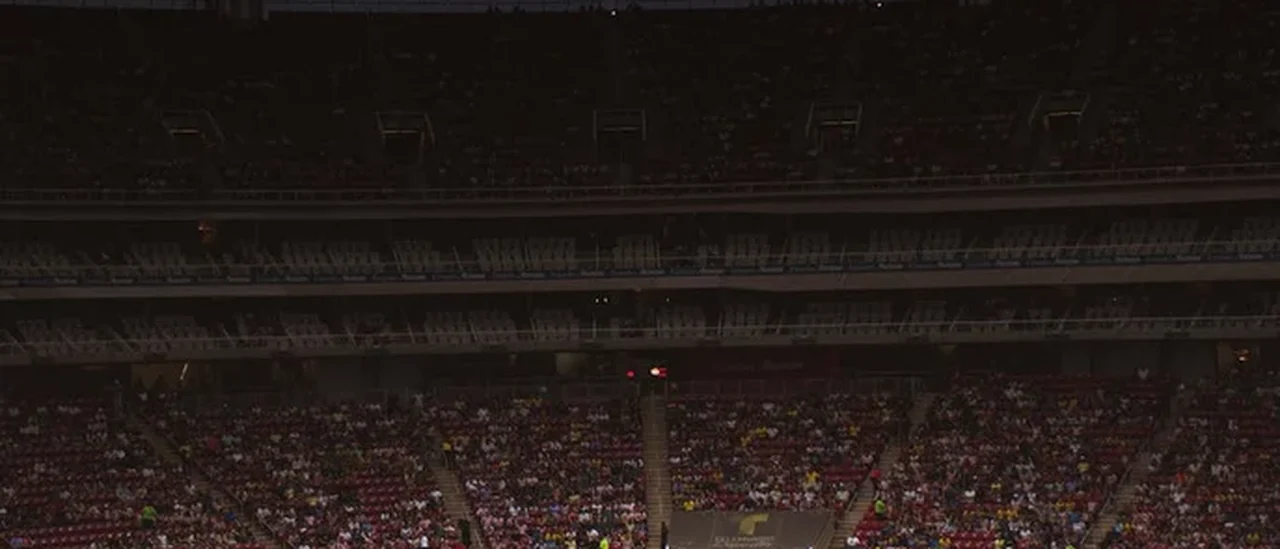
The path to the 2020 decider was the most arduous of Richmond’s three premiership journeys. The season was fractured by COVID-19, forcing the squad into extended hub life away from families and their Punt Road sanctuary. The fixture was condensed, travel was relentless, and the ultimate prize—a Grand Final—was stripped from its traditional home at the Melbourne Cricket Ground for the first time since WWII.
Footballarily, the challenge was Geelong. The Cats, boasting a veteran-laden list, finished the home-and-away season as minor premiers. They presented a stark stylistic contrast to Richmond’s chaos: a controlled, possession-based game built on precision kicking and territorial dominance. For the Tigers, the mission was clear but fraught: defeat the top side, on a neutral ground, to achieve a feat last accomplished in the AFL era 20 years prior. Furthermore, they aimed to do it without retired legend Alex Rance, a pillar of their 2017 premiership defense, placing immense pressure on the remaining defensive structure. The ghosts of past near-great teams who stumbled at the final hurdle of a three-peat loomed. This was the ultimate test of Richmond’s philosophy—could their brand of football transcend circumstance and conquer the most systematic of opponents?
Approach / Strategy
Damien Hardwick’s strategic approach for the Grand Final was a refined evolution of the “Richmond style,” sharpened for a specific foe. The core tenet remained relentless, hunting pressure—but with a smarter edge. Geelong’s game plan relied on clean exits from defense and methodical ball movement. Hardwick’s strategy was to surgically disrupt this at the source.
The primary tactical focus was a forward-half siege. The Tigers committed to locking the ball in their attacking 50, not just with tackles, but with intelligent positioning and corralling to force Geelong into high-risk, lateral kicks under duress. This was a direct assault on the Cats’ greatest strength: their intercept defenders. Players like Jack Riewoldt were instructed to compete and bring the ball to ground, where a swarm of small forwards and midfielders, including the relentless Dion Prestia, would feast on the crumbs.
Defensively, the plan was built on trust and system over individual match-ups. The backline, a well-drilled unit, focused on maintaining structure and generating turnover from the chaos created upfield. The midfield, led by Trent Cotchin, was tasked with breaking even at the contest and then outworking Geelong on the spread, leveraging their superior running power. The entire strategy was underpinned by a psychological fortress: an unshakeable belief forged in the fires of the 2017 premiership and hardened during the 2019 flag triumph. This wasn’t just a game plan; it was an identity.
Implementation Details
From the first bounce, Richmond’s intent was palpable. The pressure gauge, a hallmark of their golden era, was dialed to its maximum setting. Geelong’s defenders, used to time and space, were immediately harassed. Jack Riewoldt played a selfless, decoy role at times, dragging key defenders and allowing the likes of Tom Lynch to prosper. When the ball hit the deck, it was Richmond’s players who reacted first, a testament to their superior hunger and anticipation.
The midfield battle was brutal. Cotchin set a ferocious tone with his physicality, while Prestia was a bull at the contest, winning crucial clearances. Their work allowed the maestro, Dustin Martin, to operate with devastating effect. Martin was deployed in a hybrid forward-mid role, a matchup nightmare that Geelong never solved. He would impose himself at the center bounce, then drift forward to exploit a mismatch, a strategy detailed in our analysis of /dusty-martin-norm-smith-finals-heroics.
Defensively, the Tigers were imperious. The system held firm. Bachar Houli provided sublime rebound from half-back, while the collective unit, featuring the critical efforts of players like Dylan Grimes (whose finals performances are explored in /dylan-grimes-defensive-stops-finals), choked Geelong’s forward entries. They forced the Cats into speculative, high kicks to contests, which Richmond’s defenders either marked or killed, initiating their trademark counter-attacks.
A pivotal moment crystallized the implementation of the strategy. In the third quarter, with Geelong mounting a charge, a chain of three successive Richmond tackles deep in the forward line—the last from Martin—resulted in a goal-snuffing holding-the-ball decision. It was the system in microcosm: pressure creating a turnover, which created a score. It broke Geelong’s spirit and showcased the Yellow and Black machine at its most ruthless.
Results
The scoreboard told a definitive story: Richmond 12.9 (81) defeated Geelong 7.8 (50) by 31 points. The statistical breakdown reveals the depth of their dominance:
Inside 50s: Richmond 49, Geelong 46. While relatively even, the quality of Richmond’s entries, born from turnover, was far superior.
Tackles: Richmond 58, Geelong 50. More telling was the Tackles Inside 50 metric: Richmond 16, Geelong 6. This 10-tackle disparity is the quintessential data point of the game, illustrating the execution of the forward-half pressure plan.
Contested Possession: Richmond 123, Geelong 116. The Tigers won the crucial hard ball.
Marks Inside 50: Richmond 11, Geelong 6. This highlights the efficiency and potency of their attacking forays.
* Individual Accolades: Dustin Martin made history, winning an unprecedented third Norm Smith Medal with a performance for the ages: 4 goals, 21 disposals (15 contested), and 9 score involvements. He became the first player to win the award three times, solidifying his legacy as the greatest finals player of his generation. Bachar Houli was immense with 24 disposals and 603 meters gained, while Dion Prestia had 22 disposals (14 contested) in a powerful return from injury.

The result was Richmond’s 13th premiership, a historic three-peat (2017, 2019, 2020), and the indisputable coronation of a dynasty. They became only the fourth club in VFL/AFL history to win three flags in four seasons.
Key Takeaways
- System Over Stadium: The 2020 triumph proved Richmond’s philosophy was not dependent on the Melbourne Cricket Ground. Their system of pressure, contest, and chaos was a portable, winning formula that succeeded in any environment, under any pressure.
- The Dynasty Mindset: This victory was the ultimate expression of a culture built by Hardwick, Cotchin, and the leadership group. The resilience to endure a pandemic-interrupted season, hub life, and intense scrutiny revealed a mental fortitude that matched their physical prowess. The belief from the 2017 premiership and 2019 flag was a renewable resource.
- Tactical Evolution: Hardwick demonstrated his coaching growth. The game plan was a specific, tactical counter to Geelong’s strengths, moving beyond pure frenzy to intelligent, targeted pressure. It showed a dynasty must adapt to stay on top.
- Historical Greatness of Martin: Dustin Martin’s performance transcended the game. His third Norm Smith Medal in a winning Grand Final is a record that may never be matched. He is the central engine and the ultimate weapon of the dynasty era.
- Collective Sacrifice: From Riewoldt’s role work to the unsung defensive efforts, the win was a masterpiece of team football. Every player understood and executed their role for the greater good of the Yellow and Black stripes.
Conclusion
The 2020 AFL Grand Final victory was the definitive chapter in the story of Richmond’s dynasty era. It was the hardest flag, won under the strangest circumstances, against the most systematic of opponents. In overcoming the unique challenges of the season and dismantling Geelong’s game plan, Richmond proved their greatness was no accident of timing or location.
This was a victory forged at Punt Road, built on the lessons of breaking the drought in 2017 and solidified through back-to-back success in 2019. It was delivered by a core of champions—Hardwick, Cotchin, Riewoldt, and the peerless Martin—and executed by a squad deeply invested in a selfless, powerful system. The 2020 premiership did not just add a cup to the cabinet; it etched the Richmond Football Club’s name into history as one of the AFL’s true modern powerhouses. It confirmed that their era of prestige was built on the most resilient of foundations: a culture and a game plan that could withstand anything, anywhere, on the biggest stage of all. For further analysis of the moments that defined this era, explore our hub at /finals-moments-analysis.
Reader Comments (0)